You Won’t Believe These Hidden Food Spots in Papeete
Papeete, Tahiti isn’t just about postcard beaches—its real magic hides in bustling markets and quiet street corners where food tells the story. I wandered with my camera, chasing flavors and light, and found a side of Tahitian culture most tourists miss. From vibrant market stalls to roadside poisson cru stands, every bite was a snapshot of tradition, color, and soul. This is not a destination to rush through, but to savor—one meal, one conversation, one golden-hour frame at a time. Beyond the glossy brochures and cruise ship stops lies a living, breathing culinary rhythm, shaped by generations of islanders who honor the land, sea, and community through what they grow, catch, and share. Here, food is more than nourishment—it’s memory, identity, and art.
The Heartbeat of Papeete: Marché de Papeete
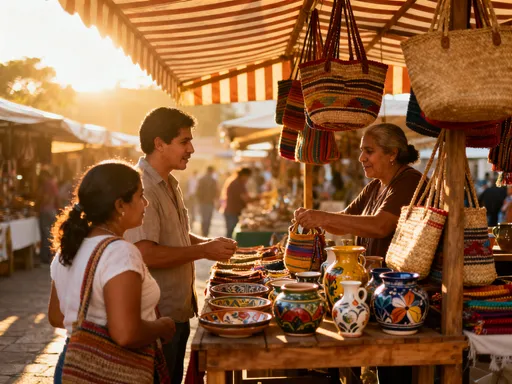
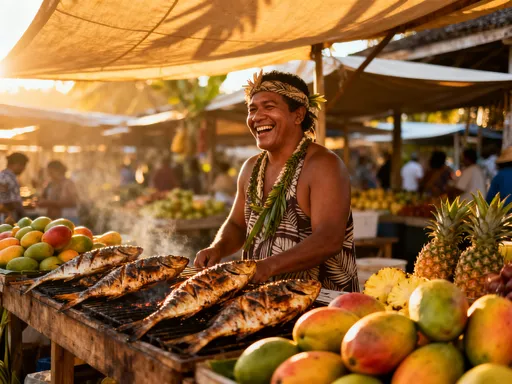
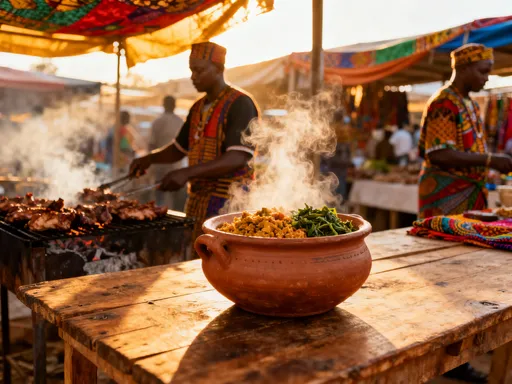
The Marché de Papeete is not simply a market—it is the pulse of daily island life. Open from early morning until mid-afternoon, this sprawling complex of covered stalls and open-air counters hums with energy, conversation, and the irresistible aroma of grilled fish, ripe mangoes, and coconut-laced pastries. Located in the heart of the capital, it serves as both a grocery hub for locals and a sensory wonderland for curious travelers. Unlike the polished boutiques along the waterfront, this is where authenticity thrives. Vendors call out prices in Tahitian and French, children dart between baskets of breadfruit, and elders bargain gently over bundles of ti leaves and bunches of purple taro.
What sets this market apart is its vividness—not just in color, but in culture. Towering pyramids of pineapples glow under the morning sun, while trays of marinated raw fish shimmer with coconut milk and chili. Po’e, a traditional dessert made from banana or pumpkin and baked in banana leaves, sits beside jars of homemade vanilla extract and dried seaweed. Each section tells a story: the fishmongers proudly display mahi-mahi, tuna, and parrotfish, freshly pulled from the lagoon; the fruit vendors arrange papayas, rambutan, and noni with almost artistic precision; and the prepared food counters offer warm plates of poisson cru, fafaru, and roasted breadfruit—simple, honest meals passed down through families.
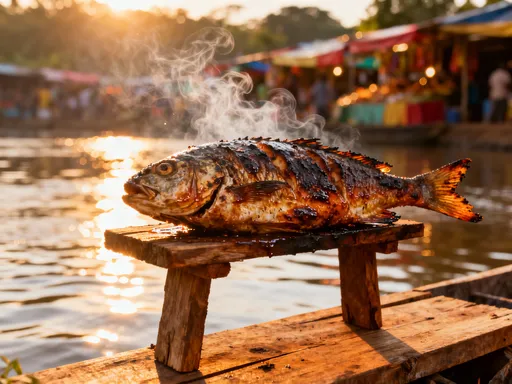
For photographers, the Marché de Papeete offers unmatched opportunities, especially during golden hour. As the sun dips behind the market’s tin roofs, warm light spills across wooden counters, illuminating faces, textures, and steam rising from hot grills. Shadows stretch long, and colors deepen—turquoise fish skins, crimson chilies, golden coconut shavings—all come alive in the soft glow. To capture these moments respectfully, it’s essential to ask permission before photographing vendors. A smile, a nod, and a simple 'Pomai?' (excuse me) go a long way. Many are happy to pose if approached with kindness, and some may even invite you to taste their food.
Visitors should come with an open mind and an empty stomach. Must-try items include poisson cru with a side of po’e, a cup of freshly squeezed sugarcane juice, and a plate of grilled octopus served with lime and chili. Bring cash, as most vendors do not accept cards, and arrive early to witness the market at its liveliest. The Marché de Papeete is not a performance for tourists—it is real life, unfolding in flavors, laughter, and light.
Street Food Gems Beyond the Tourist Trail
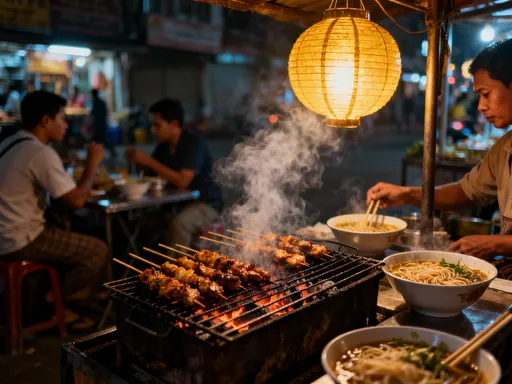
While the Marché de Papeete draws attention, the true soul of Tahitian street food lives in the quiet neighborhoods just beyond the city center. Here, along narrow roads shaded by palm trees and bordered by family homes, small grills and makeshift counters serve dishes that rarely appear on tourist menus. These are not pop-ups designed for Instagram—they are family-run outposts where recipes have been passed down for generations. The food here is bold, unfiltered, and deeply rooted in tradition. It is where you’ll taste the island as locals do, far from the curated plating of beachfront resorts.
One such dish is fafaru, a fermented fish preparation that divides even seasoned eaters. Made by marinating raw fish in seawater and noni juice for several days, fafaru carries a pungent aroma and a rich, umami depth. It is not for the faint of heart, but those who try it often come to appreciate its cultural significance. Fafaru was traditionally prepared to preserve fish before refrigeration and is still enjoyed during family gatherings and community feasts. It reflects a deep connection to the sea and a respect for resourcefulness—a reminder that food in Tahiti has always been about survival as much as celebration.
Another hidden favorite is roasted taro, served hot from an open fire and dusted with sea salt. Unlike the boiled or steamed versions found in restaurants, roasted taro has a smoky sweetness and a texture that melts in the mouth. It is often paired with grilled breadfruit or a small portion of coconut-crusted fish. These roadside grills are easy to miss—marked only by a hand-painted sign or a cloud of wood smoke—but they are worth seeking out. Look for clusters of motorbikes parked nearby or the sound of laughter from a shaded picnic table.
Photographing these moments requires patience and humility. These are not performances, and the people here are not exhibits. The best approach is to engage first—ask about the food, compliment the aroma, and wait for an invitation. Many vendors are happy to share their story if they feel respected. When shooting, focus on details: the char on the fish, the steam rising from a banana leaf bundle, the hands of a grandmother flipping breadfruit on a griddle. These quiet images often tell the most powerful stories. Street food in Papeete is not about perfection—it’s about presence, heritage, and heart.
Café Culture with a Tahitian Twist
In recent years, Papeete has seen a quiet evolution in its café scene—a blend of French elegance and Tahitian warmth. These cafés are not mere coffee shops; they are cultural crossroads where colonial history meets island innovation. You’ll find croissants and espresso served alongside poisson cru toast and breadfruit pancakes drizzled with coconut syrup. The atmosphere is relaxed, often shaded by palm trees or vibrant murals painted by local artists. Outdoor seating invites lingering, and the pace of conversation matches the rhythm of the trade winds.
One of the most charming examples is a small café near the waterfront, where coconut-flavored coffee is a house specialty. The barista, a young woman raised in Moorea, infuses her brews with grated coconut and a hint of vanilla, creating a drink that tastes like the island in a cup. Her menu also features Tahitian-style pancakes made from breadfruit flour, served with fresh mango and lime. The café’s walls are covered in murals depicting traditional Polynesian navigation, fishing scenes, and floral patterns—each piece a tribute to ancestral knowledge.
What makes these cafés ideal for photography is their natural light and cultural layering. Morning light filters through palm fronds, casting delicate shadows on tables set with hand-carved wooden bowls and woven placemats. The contrast between modern café design and traditional elements—such as tapa cloth coasters or shell-topped spoons—creates visual interest. Candid shots of locals reading newspapers, students sharing pastries, or elders sipping coffee offer glimpses into everyday life.
These spaces also reflect a growing pride in Tahitian identity. While French influence remains strong, there is a conscious effort to highlight local ingredients, stories, and aesthetics. Menus often include explanations of traditional dishes, and some cafés host live music featuring ukulele and traditional drumming. For visitors, this is a chance to slow down, sip something delicious, and observe the quiet fusion of old and new. It’s café culture, Tahitian style—warm, welcoming, and deeply rooted in place.
The Art of Poisson Cru: A Dish Worth Framing
No exploration of Papeete’s food scene is complete without a deep dive into poisson cru, widely regarded as Tahiti’s national dish. More than just a meal, it is a celebration of the sea, the sun, and simplicity. At its core, poisson cru is raw fish—typically tuna or mahi-mahi—marinated in coconut milk and lime juice, then mixed with diced cucumber, tomato, and onion. The acid from the lime 'cooks' the fish, while the coconut milk adds a creamy richness that balances the brightness of the citrus.
To witness poisson cru being prepared is to see a ritual unfold. I followed a local chef named Tere, who has been making the dish since childhood, to a quiet cove just outside Papeete. With the turquoise water lapping at the shore, she cleaned the fish with swift, practiced movements, her hands moving like water over scale and flesh. She explained that the key is freshness—'The fish must be so fresh, it still remembers the ocean,' she said with a smile. She then sliced it into delicate cubes, squeezed fresh limes, and poured chilled coconut milk from a young green coconut cracked open with a machete.
The colors were stunning: the deep red of the tuna, the pale pink of the marinating fish, the green of the herbs, and the white of the coconut milk. Against the backdrop of the lagoon and blue sky, the dish looked like a painting. For photographers, this is a golden opportunity. Natural light enhances every element—the glisten of the coconut milk, the texture of the fish, the condensation on the serving bowl. The best shots are taken at mid-morning or late afternoon, when the sun is low and soft. A shallow depth of field can isolate the dish, while a wider angle captures the setting—waves, palms, and the chef’s hands in motion.
But poisson cru is more than a visual feast—it is a cultural emblem. It is served at celebrations, shared at family meals, and offered to guests as a sign of welcome. Its preparation connects people to the ocean, to seasonal rhythms, and to each other. To eat it is to participate in a tradition that has sustained islanders for centuries. And to photograph it well is to honor not just the dish, but the life that surrounds it.
Sunset Eats at the Waterfront
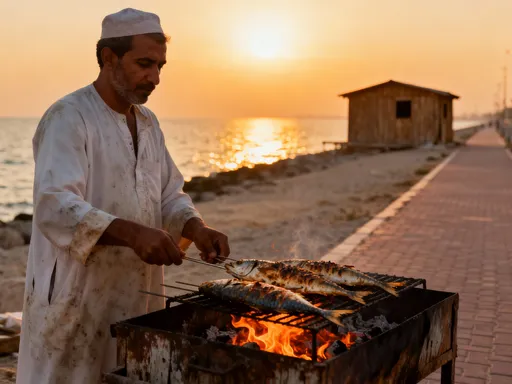
As daylight fades, Papeete’s waterfront transforms into a lively stage for evening dining. Food trucks and temporary pop-ups emerge along the promenade, offering everything from grilled mahi-mahi to banana tempura and coconut mochi. This is not fine dining—it is casual, communal, and full of flavor. Families spread out on picnic blankets, couples stroll with plates in hand, and musicians strum ukuleles under string lights. The air is thick with the scent of grilled fish, frying plantains, and tropical blossoms.
The golden-to-blue hour transition is magical for photography. As the sun sinks behind the mountains of Tahiti Nui, the sky shifts from amber to lavender, then deep indigo. The food stalls, lit by lanterns and LED strips, glow like beacons. Steam rises from grills, and the reflections of string lights dance on puddles from the afternoon rain. This is the perfect time to capture both food and atmosphere—images that tell not just what was eaten, but how it felt to be there.
One popular spot is a rotating food truck run by a mother-daughter duo from Raiatea. Their specialty is grilled mahi-mahi tacos with mango salsa and a side of roasted breadfruit chips. They set up just after 5 p.m., and by 6:30, a line has formed. Their truck is decorated with seashells and hand-painted signs, and they play traditional Tahitian music through a small speaker. For photographers, the challenge is balancing ambient light with artificial sources. Using a slightly higher ISO and a wide aperture allows for clear shots without a flash, preserving the mood. Capturing candid moments—children reaching for a bite, a vendor laughing with a regular customer—adds emotional depth to the visual story.
Timing is key. Arrive early to scout locations and test lighting, but save the most dynamic shots for twilight. Be mindful of the crowd—move respectfully, avoid blocking pathways, and always ask before photographing individuals. These evening gatherings are not just about food; they are about community, rhythm, and joy. To document them well is to capture the heartbeat of Papeete after dark.
Food as Cultural Memory: Talking to Local Vendors
Behind every dish in Papeete is a story—and behind every story is a person. The vendors, chefs, and home cooks who prepare the food are the true keepers of Tahitian heritage. Their knowledge is not written in cookbooks but passed down through generations, shared over meals, and shaped by the land and sea. To understand the food of Papeete, one must listen as much as taste.
I spent an afternoon speaking with Mama Hina, a vendor in her seventies who has sold po’e at the Marché de Papeete for over forty years. She learned the recipe from her grandmother, who used only bananas grown in their family’s garden. 'The fruit must be just ripe,' she said, 'not too soft, not too hard. And the banana leaf—it must be from a young tree, so it doesn’t tear.' She showed me how she wraps each po’e by hand, folding the leaf into a neat parcel that steams perfectly over hot stones. Her hands, weathered and strong, moved with precision and pride.
Younger chefs, too, are finding ways to honor tradition while innovating. One such chef, Tui, runs a small catering business specializing in modern takes on Tahitian classics. He uses locally sourced ingredients and traditional techniques but presents them with contemporary flair. 'I want people to see our food as both ancient and alive,' he explained. 'It’s not stuck in the past—it grows with us.'
Photographing these individuals requires more than a lens—it requires trust. The most powerful images come from moments of connection: a shared laugh, a quiet pause, a hand passing a plate. Always ask before taking portraits, and if possible, return with printed photos as a gift. These gestures build bridges and honor the dignity of the subjects. When done with care, food photography becomes more than documentation—it becomes tribute.
Putting It All Together: Your Visual Food Journey
A journey through Papeete’s food culture is, at its core, a journey through time, tradition, and taste. From the bustling Marché de Papeete to the quiet roadside grills, from modern cafés to sunset food trucks, each stop offers a piece of the island’s soul. To truly experience it, one must move slowly, eat boldly, and observe with intention. This is not a checklist to complete, but a rhythm to join.
For photographers, the goal is not just to capture beautiful images, but to create a narrative—one that weaves together flavors, faces, light, and land. Begin at sunrise in the market, where the first stalls open and the air is cool. Move through the day, documenting street food, café moments, and the art of preparation. End at twilight, when the waterfront comes alive and the sky paints itself in color. Let each image build on the last, forming a visual story that honors both the food and the people behind it.
Remember that the best photographs are often those taken with permission, patience, and respect. They are not stolen moments, but shared ones. They reflect not just what was seen, but what was felt. And in the end, the most lasting images are those that remind us of our shared humanity—our love for good food, warm company, and the simple joy of being present.
Papeete’s hidden food spots are not just places to eat—they are invitations to connect. They ask us to slow down, to listen, to taste with curiosity and gratitude. So come with an open heart, a hungry palate, and a camera ready to capture not just meals, but memories. The real magic of Tahiti isn’t just in its beauty—it’s in its flavor, its people, and the quiet moments between bites that stay with you long after you’ve left the island.