Beyond the Taj: Agra’s Hidden Theme Worlds Uncovered
Stepping into Agra, most travelers fixate on the iconic Taj Mahal—and rightly so. But this historic city holds far more than its world-famous marble gem. Beyond the postcard views lie vibrant theme areas: Mughal heritage lanes, bustling bazaars, serene riverfronts, and culinary hotspots pulsing with flavor. I discovered how these distinct zones shape an unexpectedly layered journey. Agra isn’t just a one-monument stop; it’s a mosaic of experiences waiting to be explored, each with its own rhythm, story, and soul.
The Taj Zone: More Than Just a Day Visit
The Taj Mahal dominates Agra’s identity, and for good reason—its symmetrical beauty, ethereal glow at dawn, and emotional resonance as a monument to love are unmatched. Yet, treating it as a brief stop risks reducing a profound experience to a hurried snapshot. To truly appreciate the Taj, one must expand beyond the main gateway and explore the surrounding zone with intention. This includes timing your visit to align with moments of stillness, discovering quieter vantage points, and understanding how the landscape around the mausoleum contributes to its grandeur.
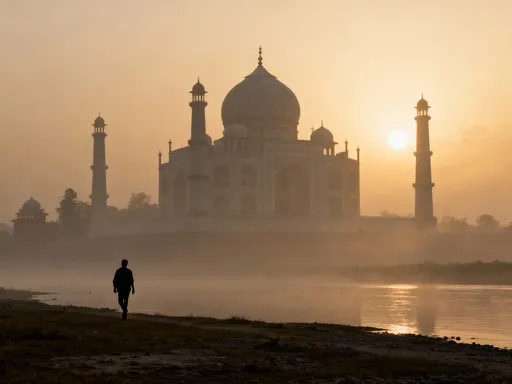
Early morning remains the most transformative time to visit. Arriving before sunrise allows travelers to witness the marble shift from soft gray to radiant pink, then to pure white as sunlight washes over it. The crowds are thinner, the air cooler, and the reflections in the long pool more pristine. Security lines move faster, and the sense of reverence is palpable. For those seeking an even more intimate encounter, the Mehtab Bagh across the Yamuna River offers an alternative perspective. This Mughal-era garden, restored in the 1990s, aligns perfectly with the Taj and provides a stunning view, especially at sunset when the monument glows amber against the dusky sky.
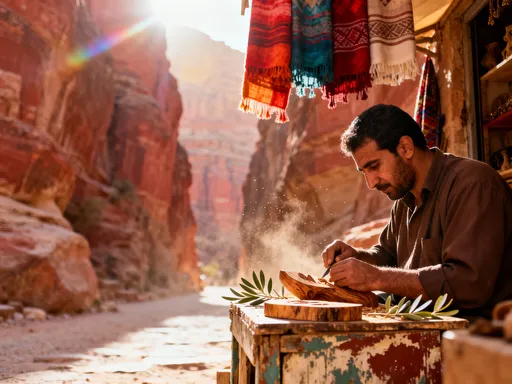
Near the eastern entrance to the Taj complex, the Mehtab Chungi market caters to visitors looking for souvenirs. While many stalls sell mass-produced trinkets, a few specialize in handcrafted marble inlay work, echoing the pietra dura technique used on the Taj itself. These delicate pieces, often made by artisans from local workshops, offer a meaningful keepsake. Visitors should take time to examine the craftsmanship and engage respectfully with vendors. Bargaining is expected but should be done politely, recognizing the skill behind each piece.
Equally important is understanding how the Taj fits into its environmental context. The Yamuna River, though diminished and polluted today, was once central to the monument’s design. Mughal architects positioned the Taj so that its reflection would shimmer in the water, doubling its majesty. While the river no longer provides a perfect mirror, walking along its banks near the Taj offers a quieter, more contemplative experience. These riverside moments—watching light play on the marble, hearing the distant call to prayer from nearby mosques—remind us that the Taj is not just a structure, but part of a living landscape shaped by history, nature, and human emotion.
Agra Fort’s Royal Realm: Where Power Met Artistry
Just 2.5 kilometers from the Taj Mahal lies another masterpiece of Mughal engineering: Agra Fort. This imposing red sandstone fortress, a UNESCO World Heritage Site in its own right, served as the political and residential heart of the empire during its peak. Built primarily by Emperor Akbar in the 16th century and expanded by Shah Jahan, the fort blends military strength with refined aesthetics. Walking through its massive gates, visitors step into a world where power, privacy, and artistic vision coexisted.
The fort’s layout reveals the hierarchical nature of Mughal court life. The Diwan-i-Aam, or Hall of Public Audience, was where the emperor addressed common petitioners. Its open pavilion, supported by intricately carved pillars, allowed voices to carry across the chamber while maintaining the ruler’s elevated presence. Just beyond lies the Diwan-i-Khas, the Hall of Private Audience, where the emperor met with nobles and foreign envoys. The hall’s famous inscription—"If there is paradise on earth, it is here, it is here, it is here"—captures the grandeur intended by its creators. The use of white marble, inlaid with semi-precious stones, contrasts with the surrounding red stone, symbolizing the transition from public duty to private refinement.
One of the most poignant spaces within the fort is the Musamman Burj, an octagonal tower with a marble balcony offering a direct view of the Taj Mahal. It was here that Shah Jahan, imprisoned by his son Aurangzeb, spent the last eight years of his life gazing at the tomb of his beloved wife, Mumtaz Mahal. The emotional weight of this vantage point is profound. Visitors standing in the same spot can imagine the emperor’s solitude, his reflection in the Yamuna below merging with the distant silhouette of the mausoleum. The juxtaposition of architectural beauty and personal tragedy adds depth to the narrative of the Taj, transforming it from a mere monument into a symbol of enduring love and loss.
Other key areas include the Khas Mahal, a private palace with cooling water channels that once flowed through its floors, and the Anguri Bagh, a grape garden laid out in geometric precision. The Sheesh Mahal, or Mirror Palace, features walls and ceilings embedded with tiny mirrors that would shimmer in candlelight, creating a celestial effect. These spaces illustrate how Mughal architecture was not only functional but deeply experiential—designed to engage the senses and elevate the human spirit. Agra Fort, therefore, is not just a relic of power but a testament to the fusion of governance, art, and emotion that defined an era.
Kinari Bazaar & Sadar Market: The Pulse of Local Life
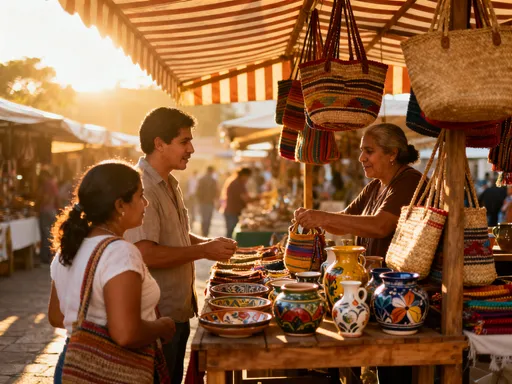
If the Taj and the fort represent Agra’s imperial past, Kinari Bazaar and Sadar Market embody its vibrant present. These interconnected market zones form the commercial and cultural heart of the city, where locals shop, eat, and socialize. Walking through them is an immersion in color, sound, and scent—a sensory journey that reveals the everyday life of Agra beyond its monuments. From glittering trims and hand-stitched embroidery to sizzling street food and fragrant spice stalls, the markets offer a living tapestry of tradition and commerce.
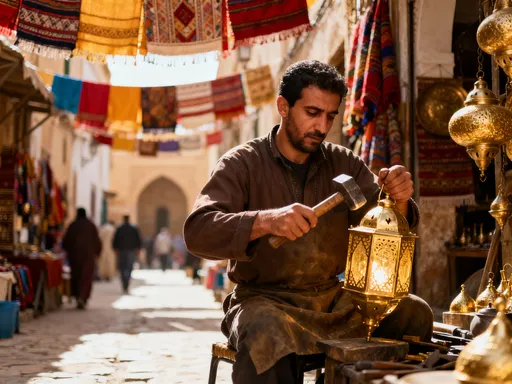
Kinari Bazaar, known for its decorative lace, ribbons, and wedding accessories, is a favorite among brides and tailors. The narrow lanes are lined with shops overflowing with zari work, sequins, and embroidered fabrics. The glint of brassware and the rustle of silk create a tactile experience, while vendors call out prices with practiced charm. This is also a prime location for purchasing authentic Agra leather goods, particularly footwear and handbags. Many shops display products made in nearby factories, where generations of craftsmen have honed their skills. For visitors, the key is to distinguish between machine-made imitations and genuine hand-finished pieces. Looking for even stitching, quality lining, and natural leather smell can help identify authenticity.
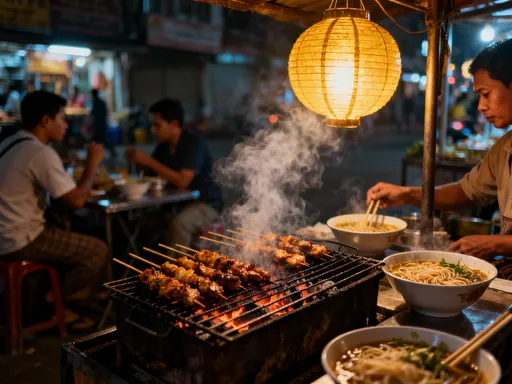
Sadar Market, adjacent to Kinari Bazaar, expands the experience with food, household items, and daily necessities. It’s here that the aroma of freshly ground spices—cardamom, cumin, turmeric—fills the air. Small eateries serve hot samosas, jalebis, and chaat, a savory snack made with crispy dough, yogurt, tamarind chutney, and chickpeas. The sizzle of oil in frying pans and the rhythmic pounding of chutneys create a soundtrack of urban life. For travelers, sampling street food is an essential part of the experience, but hygiene matters. Choosing stalls with high turnover, clean utensils, and covered ingredients reduces risk while supporting local vendors.
Bargaining is an expected part of shopping in these markets, but it should be approached with respect. Starting at 50% of the quoted price and negotiating politely often leads to a fair deal. More important than price, however, is the interaction—asking about materials, craftsmanship, or family traditions can turn a transaction into a meaningful exchange. Visitors are advised to carry small denominations of Indian rupees and to avoid overly aggressive vendors. By engaging mindfully, tourists can support ethical commerce while gaining insight into the lives of those who keep Agra’s economy alive.
Fatehpur Sikri: A Day-Trip Journey to a Ghosted Capital
About 40 kilometers west of Agra lies Fatehpur Sikri, a remarkably preserved ghost city that once served as the capital of the Mughal Empire. Built by Emperor Akbar in the late 16th century, it was abandoned just 14 years later due to water shortages and strategic concerns. Today, it stands as a hauntingly beautiful example of Mughal urban planning and architectural synthesis. A day trip here offers a journey not only through space but through time—a chance to walk the same courtyards where emperors, scholars, and artisans once gathered.
The city’s layout reflects Akbar’s vision of religious tolerance and intellectual exchange. Its structures blend Islamic, Hindu, Persian, and Jain architectural elements, symbolizing the emperor’s inclusive governance. The Buland Darwaza, or “Gate of Magnificence,” is the most iconic structure—a massive sandstone archway that rises 54 meters, commemorating Akbar’s victory in Gujarat. Walking through it evokes a sense of awe, as the scale dwarfs the visitor and the acoustics amplify every footstep. Just beyond lies the Jama Masjid, one of India’s largest mosques, whose courtyard can accommodate thousands of worshippers.
Other highlights include the Panch Mahal, a five-story palace with diminishing levels, each open to the breeze—a design meant for leisure and cooling. The Diwan-i-Khas, or Hall of Private Audience, features a central pillar with a circular platform connected by stone bridges, where Akbar is said to have listened to debates among religious scholars. The Turkish Sultana’s House and the Anup Talao pool add to the city’s layered aesthetic, combining utility with beauty. Even the ruins of residential quarters and stables convey a sense of daily life frozen in time.
Visitors typically spend three to four hours exploring the site, which is well-paved and signposted. The best time to visit is early morning or late afternoon, when the light enhances the red sandstone and the heat is less intense. Transport options include private taxis, auto-rickshaws, and government-operated buses, all readily available from Agra. Guides are present at the entrance and can provide context, though independent exploration allows for personal reflection. Fatehpur Sikri does not feel like a museum; it feels like a city paused, its stones whispering stories of ambition, faith, and impermanence. For those seeking depth beyond the Taj, it offers a quiet revelation.
The Yamuna Riverfront: Quiet Reflections Away from the Crowd
While the Taj Mahal draws millions to its forecourt, the banks of the Yamuna River offer a counterpoint—spaces of stillness, reflection, and natural beauty. Along this stretch, several lesser-known spots provide alternative vantage points and moments of peace. Aaram Bagh, Akbar’s summer garden, lies on the river’s edge and is one of the oldest Mughal gardens in India. Though smaller than others, its charbagh (four-part) layout and shaded walkways create a tranquil retreat. Early risers may find themselves alone among the flowering shrubs and fountains, the only sounds the rustle of leaves and distant bird calls.
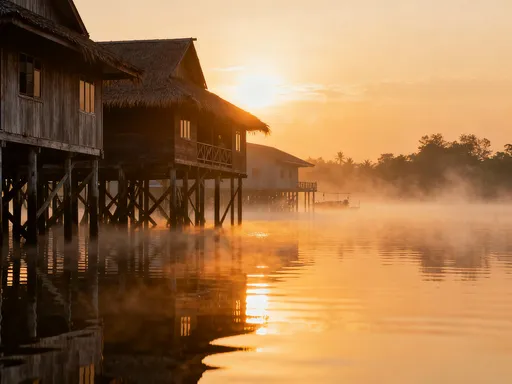
Another peaceful location is the Taj View Point, accessible via a small path near the Mehtab Bagh. Unlike the crowded main entrance, this spot allows for unobstructed photography and quiet contemplation. Sitting here at sunrise, one can watch the mist rise from the river, the first light catching the minarets of the Taj. It’s a meditative experience, far removed from the tourist queues. The river itself, though affected by pollution and low flow, still holds symbolic significance. Efforts by environmental groups and government agencies to clean the Yamuna have had mixed results, but awareness is growing. Visitors are encouraged to avoid littering and to support eco-conscious initiatives when possible.
The riverfront also serves as a reminder of Agra’s ecological challenges. Industrial runoff, untreated sewage, and reduced water flow from upstream dams have degraded the Yamuna’s health. Yet, even in its current state, it remains a vital part of the city’s identity. Local residents still use certain sections for morning walks, prayer, and small-scale fishing. Conservation projects, including wetland restoration and public awareness campaigns, aim to restore balance. For travelers, visiting these riverside areas is not just about scenic views—it’s an invitation to witness the intersection of heritage and environmental stewardship. By choosing to respect these spaces, tourists contribute to their preservation.
Evening visits can be equally rewarding. As the city lights begin to glow, the Taj appears softly illuminated against the twilight sky. The river, though dark, carries the reflection of distant lamps. These moments—quiet, fleeting, and deeply personal—offer a different kind of souvenir: not a trinket, but a memory of stillness in a bustling world.
Culinary Agra: From Petha Stalls to Mughlai Feasts
No exploration of Agra is complete without engaging its culinary soul. The city’s food culture is a direct legacy of Mughal rule, where rich gravies, slow-cooked meats, and fragrant rice dishes were perfected in royal kitchens. Today, that tradition lives on in both humble street stalls and refined restaurants. From the iconic petha, a translucent candy made from ash gourd, to savory dalmoth and succulent kebabs, Agra offers a palate of flavors that tell stories of empire, trade, and local innovation.
Petha is perhaps the most famous sweet associated with the city. Sold in countless varieties—plain, flavored with saffron or rose, coated in nuts or chocolate—it originated in the 17th century and remains a beloved treat. The best petha is soft, not overly sweet, and retains a delicate texture. Local shops near the Taj and in Sadar Market are reliable sources, though tourists should look for clean, well-maintained counters. Some vendors offer samples, allowing visitors to choose their preferred style. Beyond petha, Agra is known for its dalmoth, a spicy, crunchy snack made from lentils, peas, and chutneys. It’s often sold in colorful packets and makes for a portable, flavorful souvenir.
For a full meal, Mughlai cuisine takes center stage. Dishes like biryani, korma, and nihari are slow-cooked with aromatic spices, yogurt, and ghee, creating deep, layered flavors. Many family-run eateries serve these dishes with warmth and pride, often using recipes passed down through generations. While some high-end hotels offer refined versions, the most authentic experiences are often found in modest establishments with plastic chairs and handwritten menus. Hygiene is a consideration, but not a deterrent—clean hands, bottled water, and cooked-to-order food minimize risks. Travelers are encouraged to ask locals for recommendations, as word-of-mouth often leads to the best tables.
Breakfast in Agra might include parathas stuffed with spiced potatoes or paneer, served with yogurt and pickle. Tea stalls, known as chai wallahs, dot the streets, offering steaming cups of masala chai that energize the morning. These small rituals—sipping tea, sharing a plate of snacks, watching the city wake up—are as much a part of the journey as any monument. Food in Agra is not just sustenance; it is connection, memory, and celebration of a living culture.
Putting It All Together: Designing Your Thematic Agra Journey
Agra is often reduced to a single-day itinerary centered on the Taj Mahal. But to experience the city fully is to embrace its thematic zones as interconnected chapters of a richer story. With thoughtful planning, travelers can craft a 2–3 day journey that balances history, culture, food, and reflection. The key is pacing—allowing time for both exploration and stillness—and approaching each zone with curiosity rather than checklist urgency.
A suggested itinerary might begin with an early visit to the Taj Mahal at sunrise, followed by a walk to Mehtab Bagh for a different perspective. The afternoon could be spent at Agra Fort, where the narrative of power and personal tragedy deepens the understanding of the Taj. The evening offers a perfect opportunity to explore Kinari Bazaar and Sadar Market, ending with a street food dinner. On the second day, a morning trip to Fatehpur Sikri allows immersion in Akbar’s visionary capital, with return by late afternoon. The following sunrise could be spent at Aaram Bagh or the Yamuna View Point, followed by a visit to a local sweet shop and a Mughlai lunch.
Transport within Agra is accessible via auto-rickshaws, cycle-rickshaws, and private taxis. Many drivers offer full-day services and can double as informal guides. For those prioritizing comfort and efficiency, hiring a car with a driver for inter-site travel is advisable. Accommodation options range from heritage hotels to budget guesthouses, with many located near the Taj or in the city center.
Ultimately, Agra should not be seen as a destination to be conquered, but as a place to be felt. It is a city where marble speaks of love, markets hum with life, and rivers carry silent histories. By moving beyond the postcard image of the Taj, travelers discover a layered, resilient urban landscape—one that honors the past while embracing the present. Each theme zone contributes to a fuller understanding: the Taj as a symbol, the fort as a chronicle, the markets as a heartbeat, the river as a mirror, and the food as a celebration. Together, they form not just a trip, but a transformation.
So when you next think of Agra, let your imagination extend beyond the dome. Let it wander through red sandstone corridors, trace the path of a forgotten river, savor the sweetness of petha, and listen to the echoes of a capital left behind. In doing so, you don’t just visit a city—you connect with a legacy that continues to shape lives, one quiet moment at a time.