Taste of Gaborone: Where Culture Cooks Up Magic
Ever wondered how food can tell a city’s story? In Gaborone, Botswana, every bite feels like a conversation with tradition. From bustling street-side shebeens to vibrant market stalls, the capital’s cultural venues don’t just showcase art and music—they serve it up on plates. I was blown away by how deeply flavor and heritage are woven together here. This isn’t just eating; it’s experiencing soul. The rhythm of pounding maize echoes in home kitchens, the scent of slow-cooked meats lingers in open-air markets, and every shared meal carries generations of history. In a city where modern life meets age-old customs, Gaborone offers a rare truth: culture doesn’t just live in museums—it simmers in pots, roasts over fire, and thrives at communal tables. To taste this city is to understand its heartbeat.
The Heartbeat of Gaborone: Food as Cultural Expression
In Gaborone, food is far more than sustenance—it is a living archive of identity, memory, and community. The dishes served in homes, markets, and cultural centers reflect Botswana’s deep connection to the land and its people. Central to this culinary tradition are ingredients like morogo, a nutrient-rich wild spinach foraged from the countryside, seswaa, a tender pounded beef or goat dish slow-cooked with minimal seasoning to highlight its natural depth, and sorghum, an ancient grain used in porridge and traditional beer. These are not exotic novelties but daily staples, deeply embedded in the rhythm of life. Their preparation—often done communally, with women gathering around open fires—reinforces social bonds and passes knowledge from one generation to the next.
What makes Gaborone’s food culture especially powerful is how it preserves tradition within a rapidly growing urban landscape. Despite the rise of supermarkets and fast food chains, many families still begin their mornings with bogobe, a thick sorghum or maize porridge served with stew or milk. This continuity is not accidental. It reflects a national pride in Motswana heritage and a conscious effort to maintain cultural integrity. Cooking methods such as open-fire roasting and clay-pot simmering are still widely practiced, especially during celebrations. These techniques, passed down orally, carry more than flavor—they carry stories of resilience, hospitality, and belonging.
Understanding food in Gaborone is essential to understanding the city itself. Meals are rarely solitary; they are shared experiences that strengthen family ties and welcome strangers. The act of serving food—often with both hands or a respectful nod—is a gesture of dignity and warmth. In this way, cuisine becomes a form of cultural diplomacy, silently teaching visitors about values such as patience, generosity, and respect. To eat in Gaborone is to be invited into a deeper conversation about who the people are and what they hold dear. It is a reminder that culture is not static; it is lived, renewed, and tasted every day.
Craft Markets That Feed the Soul
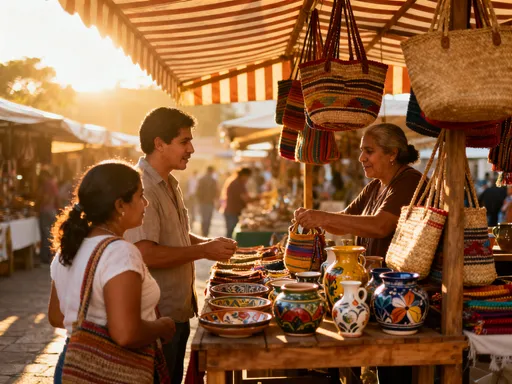
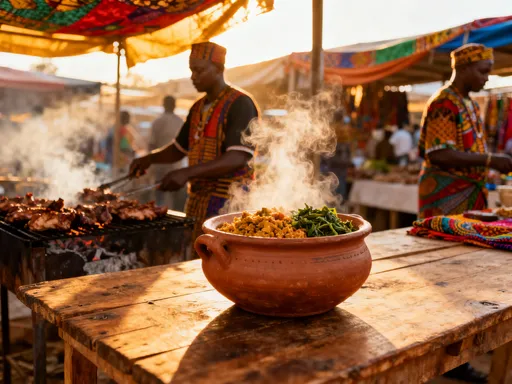
One of the most vivid expressions of Gaborone’s cultural spirit can be found in its craft markets, where art, entrepreneurship, and cuisine converge in a celebration of local life. The Gabane Craft Market, located just outside the city center, is a prime example of this vibrant fusion. Here, under colorful canopies and shaded tents, artisans display handwoven baskets, carved wooden sculptures, and intricately beaded jewelry. But alongside these crafts are sizzling food stalls where the aroma of grilled meat, spiced stews, and freshly baked vetkoek—deep-fried dough pockets stuffed with mince—fills the air. This seamless blend of taste and tradition transforms the market into a living cultural stage.
The sensory experience is immediate and immersive. As visitors browse handcrafted goods, their attention is drawn to the rhythmic chopping of onions, the crackle of meat on hot grills, and the warm scent of cumin and paprika drifting through the breeze. Vendors call out friendly greetings, offering samples of boerewors—a coiled sausage with a distinctive tang—or small cups of maas, a fermented milk drink known for its cooling effect. These interactions are not transactional; they are personal. Many food sellers are also artisans, sharing stories about their families, their villages, and the meanings behind their creations. A basket isn’t just a container; it’s woven with patterns that represent unity. A stew isn’t just a meal; it’s cooked the way a grandmother taught it.
These markets play a crucial role in sustaining local livelihoods, particularly for women and rural migrants who bring their skills to the city. By selling both crafts and food, they create self-sustaining micro-economies that honor tradition while adapting to urban demand. The National Museum Craft Market, another key destination, exemplifies this model. Located near cultural institutions, it draws both tourists and residents seeking authentic experiences. Here, the emphasis is on quality and heritage, with vendors often using organic ingredients and traditional cooking tools like three-legged pots and charcoal stoves. Supporting these markets does more than satisfy hunger—it sustains cultural continuity and empowers communities.
From Village to City: The Evolution of Motswana Flavors
Gaborone’s culinary landscape is shaped by movement—by the steady flow of people from rural villages into the capital in search of opportunity. This migration has not diluted traditional foodways; instead, it has reinterpreted them. Home-style eateries, often called “kitchens” or “roadside joints,” have emerged across neighborhoods like Broadhurst, Fairgrounds, and Block 3, bringing village flavors into urban settings. These unassuming spots, sometimes just a metal counter under a tin roof, serve some of the most authentic Motswana dishes in the city. Their menus are simple, handwritten on chalkboards, and their kitchens run on generations-old recipes.
One of the most beloved dishes found in these kitchens is seswaa paired with pap—maize meal porridge. The meat, usually goat or beef, is boiled for hours with salt and onions until tender, then pounded to a fibrous, flavorful consistency. It is a dish born of practicality and celebration alike, traditionally prepared for weddings, funerals, and tribal gatherings. In Gaborone, it remains a symbol of unity. Another staple is samp and beans, a hearty mix of cracked corn and legumes slow-cooked with tomatoes, onions, and sometimes a piece of smoked meat. Its origins lie in the agricultural cycles of rural Botswana, where families grew their own crops and preserved food through dry seasons. Today, it is a comfort food that connects city dwellers to their roots.
The evolution of these dishes reflects both adaptation and resilience. While village cooking relied on open fires and clay pots, urban kitchens often use gas stoves and pressure cookers to save time and fuel. Yet, the essence remains unchanged. Spices are used sparingly, allowing natural flavors to shine. Meals are still served in large communal bowls, encouraging sharing. Even the names of these eateries—such as “Mma’s Kitchen” or “Village Taste”—signal a deliberate connection to heritage. For many residents, eating at these spots is not just about convenience; it is an act of cultural affirmation. In a world of globalized tastes, these kitchens offer a grounding reminder of where they come from.
Music, Dance, and the Taste of Celebration
In Gaborone, culture is not confined to galleries or textbooks—it is performed, danced, and, most importantly, eaten. The Botswana National Theatre and various community cultural centers host regular events that bring together music, dance, and food in a full sensory experience. Attending a traditional dance performance is not complete without the shared meal that follows. Drumbeats echo through the night as dancers in colorful regalia move in synchronized rhythms, their steps telling stories of harvests, rituals, and ancestral wisdom. When the final performance ends, the audience is often invited to a nearby tent or courtyard where long tables are set with platters of food.
These post-performance meals are more than refreshments—they are integral to the cultural event. The same values expressed in dance—harmony, discipline, joy—are mirrored in the act of sharing food. Guests serve themselves from communal dishes, often eating with their hands, a practice that fosters intimacy and equality. A typical spread might include seswaa, steamed vegetables, pap, and bowls of mophane worms—dried caterpillars rich in protein and deeply rooted in Tswana cuisine. For first-time visitors, this may seem unusual, but locals welcome the opportunity to explain the significance of each dish, turning the meal into a dialogue.
Festivals amplify this connection between rhythm and flavor. During events like the Botswana Day celebrations or the Domboshaba Cultural Festival, food stalls surround performance areas, creating a festive atmosphere where music and taste coexist. Children dance while holding skewers of grilled meat, elders sip traditional beer made from sorghum, and visitors sample delicacies like ting—a fermented porridge with a tangy taste. These gatherings are not staged for tourists; they are genuine expressions of community life. The integration of food ensures that culture is not observed from a distance but lived and tasted. In this way, Gaborone’s cultural venues do not merely preserve tradition—they activate it.
Hidden Eateries with a Story to Tell
Beyond the well-known markets and cultural centers lie hidden culinary gems—family-run eateries tucked into residential neighborhoods, near churches, or beside local taxi ranks. These places rarely appear on digital maps or travel guides, yet they are cherished by locals for their authenticity and warmth. One such spot, known only as “Auntie Nono’s Place” in Broadhurst, operates out of a converted garage. The menu changes daily, depending on what ingredients are fresh and available. One evening, it might be chicken stew with morogo; another, beef tripe with samp. What remains constant is the care in preparation and the sense of welcome.
These hidden kitchens often double as storytelling spaces. As meals are served, owners share memories of their childhoods in villages like Serowe or Francistown, describing how their mothers cooked over open fires and preserved food for long winters. Some display faded photographs on the walls—images of family gatherings, traditional ceremonies, or old homesteads. The food, made from recipes passed down through generations, carries these stories in every bite. A dish of bogobe jwa lerotse—a porridge made with melon seeds—might be served with a tale of how it was once a royal favorite in the court of Kgosi Khama III.
What sets these eateries apart is not just the food but the human connection. Service is personal, often provided by the cook themselves, who checks in to ensure everything meets expectations. There are no printed menus, no online reservations, and no pretense. Payment is usually in cash, and seating is simple—plastic chairs around folding tables. Yet, the experience is rich. These spaces resist commercialization, preserving a way of life that values simplicity, generosity, and kinship. For travelers willing to venture off the beaten path, these hidden spots offer a rare and honest encounter with Gaborone’s soul.
How to Navigate Gaborone’s Food-Culture Scene Like a Local
Exploring Gaborone’s food and cultural landscape requires curiosity, respect, and a few practical insights. The best time to visit craft markets like Gabane or the National Museum Market is on weekend mornings, when vendors are fully set up and ingredients are at their freshest. Weekday afternoons can be quieter, offering a chance to have longer conversations with artisans and cooks. Arriving early ensures access to popular dishes, which often sell out by midday. For cultural performances at the Botswana National Theatre, checking the official schedule in advance is recommended, as events are typically held on weekends or public holidays.
When engaging with vendors, a simple greeting in Setswana—such as “Dumelang” (hello) or “Ke kopa…” (I would like…)—goes a long way in building rapport. Many locals appreciate the effort, even if the pronunciation isn’t perfect. It’s customary to ask before taking photographs, especially of people cooking or performing. Tipping is not expected but is welcomed as a sign of appreciation, particularly in small eateries where service is personal and heartfelt.
Getting around Gaborone can be done safely using ride-sharing apps like Yego Mobi or through metered taxis. Public minibus taxis, known as “combis,” are widely used by locals but may be confusing for first-time visitors due to informal routes and lack of signage. For those staying in the city center, many cultural and food destinations are within walking distance or a short ride away. Safety is generally good, especially in daylight hours, but it’s wise to keep valuables secure and avoid isolated areas at night.
First-time visitors should start with accessible dishes like vetkoek, pap and seswaa, or samp and beans. These offer a balanced introduction to flavor profiles—savory, hearty, and mildly spiced. Drinking water is safe from the tap in most areas, but bottled water is widely available. For those with dietary restrictions, it’s helpful to communicate needs clearly, as many dishes contain meat or dairy. Overall, the key to navigating Gaborone’s food culture is openness—being willing to try, to ask, and to listen. The city rewards those who approach it with humility and hunger.
Why This Journey Matters: Preserving Culture One Bite at a Time
The food-centered cultural spaces of Gaborone are more than places to eat—they are guardians of heritage in an era of rapid change. As cities grow and global influences spread, there is a risk that traditional knowledge, flavors, and customs may fade. Yet, in Gaborone, the persistence of home kitchens, craft markets, and community feasts shows that culture is not easily lost. It lives in the hands that pound maize, the voices that sing during meals, and the recipes that are whispered from mother to daughter. Each shared plate is a quiet act of resistance against homogenization, a declaration that local ways matter.
Supporting these spaces does more than sustain small businesses—it helps preserve Botswana’s living traditions. When visitors choose to eat at a family-run kitchen, buy crafts at a local market, or attend a cultural performance with a communal meal, they become part of a larger story. They contribute to an economy of dignity, where skills are valued, identities are honored, and history is tasted. This is not tourism as spectacle; it is tourism as participation.
For women, who are often the keepers of culinary knowledge, this support is especially meaningful. Many of the cooks, artisans, and market vendors are mothers and grandmothers who rely on these activities for income and purpose. Their work ensures that children grow up knowing the taste of tradition. In a world that often prioritizes speed and convenience, Gaborone’s food culture reminds us of the power of slowness, of seasonality, of connection.
So come hungry. Come curious. Let the flavors of Gaborone guide your journey—not just through the city, but into the heart of its people. Ask questions. Share a meal. Listen to a story. In doing so, you do not merely observe culture; you help keep it alive. Because in Gaborone, every bite is a bridge—to the past, to the community, and to a future where tradition continues to nourish.”