Hidden Gems and Local Flavors: Picture-Perfect Spots in Bandar Seri Begawan
You know that feeling when a place surprises you with beauty you never expected? That’s Bandar Seri Begawan. Beyond its quiet charm, I discovered stunning photo spots where golden mosques meet tranquil rivers—and every shot tells a story. But it’s not just about views; it’s the local specialty products, from handwoven textiles to aromatic spices, that make each memory vivid. This city blends culture, color, and authenticity in ways you’ve got to see to believe.
First Impressions: A Capital Unlike Any Other
Bandar Seri Begawan greets visitors with a sense of calm rarely found in Southeast Asian capitals. Unlike the bustling energy of Bangkok or Jakarta, this city unfolds at a gentle pace, where wide, clean boulevards are lined with frangipani trees and the air carries the soft scent of tropical blossoms. There are no skyscrapers dominating the skyline, no honking traffic filling the streets—just a quiet dignity that reflects Brunei’s deep-rooted traditions and emphasis on harmony. For travelers seeking a destination that feels both serene and culturally rich, the capital offers a refreshing contrast to the region’s more frenetic hubs.
What sets Bandar Seri Begawan apart is not grand monuments alone, but the way daily life unfolds with grace and intention. Locals move through their routines with a quiet warmth, often pausing to greet one another with a smile or a respectful nod. The city’s cleanliness and order reflect national pride, while its green spaces—parks, tree-lined avenues, and riverfront promenades—invite slow exploration. It’s a place where modernity and tradition coexist without conflict, where Islamic values shape public life in ways that feel inclusive rather than imposing.
For many, the appeal lies in this authenticity. There’s no need to perform for tourists or navigate crowded attractions. Instead, visitors are welcomed into a rhythm of life that values peace, community, and natural beauty. Whether walking along the riverbank at dusk or sipping sweet teh tarik at a roadside stall, the experience feels genuine. This understated elegance makes Bandar Seri Begawan not just a stopover, but a destination worth savoring—one that rewards those who take the time to look beyond the surface.
The Iconic Water Village: Kampung Ayer Through the Lens
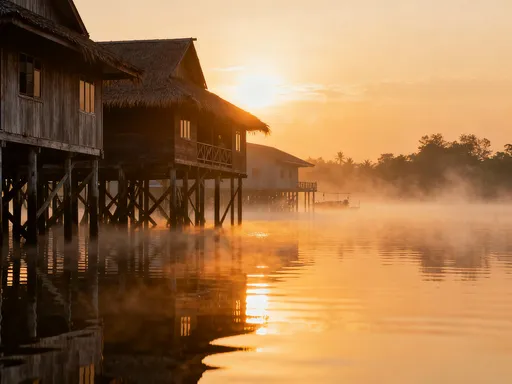
Often called the 'Venice of the East,' Kampung Ayer is not just a historic settlement—it’s a living, breathing community built on stilts above the Brunei River. Comprising over 40 interconnected villages, this unique neighborhood has housed Bruneians for centuries, long before modern infrastructure reached the mainland. Today, it remains home to thousands, connected by wooden walkways and small boats that glide silently through the water. For photographers, it offers an unmatched blend of culture, architecture, and natural light—a place where every turn reveals a new composition.
The best time to capture Kampung Ayer is at sunrise, when the first golden rays stretch across the river, reflecting off the stilted houses and casting long shadows on the calm water. Mist often hovers just above the surface, softening the edges and adding a dreamlike quality to the scene. Early risers might catch children heading to school by boat, elders fishing from their porches, or women preparing breakfast in open-air kitchens. These candid moments, framed by the intricate lattice of wooden structures, tell a story of resilience and continuity.
For wide-angle shots, elevated viewpoints are ideal. The walkway near the Panaga Club offers a sweeping panorama, while smaller bridges between clusters provide intimate perspectives. Don’t overlook the details: weathered wood, hand-painted signs, colorful laundry fluttering in the breeze—each element adds texture and life. And while photography is encouraged, it’s important to be respectful. Always ask permission before photographing individuals, especially in private spaces or during prayer times.
Equally compelling are the crafts visible throughout the village. Skilled artisans still weave baskets from rattan, shape wooden boats by hand, and repair homes using traditional methods. Some families welcome visitors into small workshops where these skills are passed down through generations. Purchasing a handwoven mat or miniature boat isn’t just a souvenir—it’s a direct contribution to preserving a way of life that defines Bruneian heritage.
Jame’ Asr Hassanil Bolkiah Mosque: Light, Architecture, and Reverence
Standing in radiant splendor, the Jame’ Asr Hassanil Bolkiah Mosque is one of Southeast Asia’s most visually striking places of worship. Completed in 1994 to mark the Sultan’s 25th year on the throne, the mosque combines Mughal, Persian, and modern Islamic architectural styles in a breathtaking display of craftsmanship. Its 29 golden domes, crowned with crescent moons, shimmer under the tropical sun, while intricate floral patterns adorn the marble façade. For photographers, the mosque offers endless opportunities to capture symmetry, texture, and the interplay of light and shadow.
Daylight reveals the full grandeur of the structure—the gleam of gold leaf, the precision of geometric tilework, and the elegant arches that frame the entrance. But it’s during the late afternoon and early evening that the mosque truly transforms. As the sun dips below the horizon, warm hues bathe the domes, and the interior begins to glow from within. The transition from golden hour to twilight creates a magical atmosphere, perfect for long-exposure shots that highlight both the building’s majesty and the surrounding reflections in the shallow pools.
Visitors are welcome to tour the mosque, provided they dress modestly and remove their shoes before entering. Women are offered complimentary scarves at the entrance, and all guests are asked to maintain a quiet, respectful demeanor. While photography inside is limited to non-prayer areas, the exterior and courtyard offer ample space for composition. The central courtyard, with its symmetrical fountains and manicured lawns, is particularly photogenic, especially when framed against the mosque’s towering minarets.
Near the entrance, small stalls sell locally made souvenirs—prayer beads carved from sandalwood, miniature mosque replicas, and hand-stitched Qur’an covers. These items, often crafted by Bruneian artisans, make meaningful keepsakes that honor the spiritual significance of the site. By choosing authentic products over mass-produced trinkets, travelers support local livelihoods and carry home more than just memories—they carry a piece of Brunei’s soul.
Omar Ali Saifuddien Mosque and the Surrounding Gardens
Another architectural jewel of the city, the Omar Ali Saifuddien Mosque, stands as a symbol of Brunei’s cultural pride. Built in 1958, it was the largest mosque in Southeast Asia at the time and remains one of the most elegant. Located in the heart of the city, it rises from a man-made lagoon, connected to the shore by a marble bridge. Its golden dome, inspired by Mughal design, is crowned with a sparkling crystal chandelier visible from the outside, while six smaller domes and two minarets complete the regal silhouette.
The surrounding gardens enhance the mosque’s beauty, offering shaded pathways, blooming hibiscus, and reflective pools that mirror the structure in perfect symmetry. For photographers, this setting is ideal for wide-angle shots that capture both the mosque and its lush environment. Early morning visits provide soft light and fewer crowds, allowing for unobstructed views. The reflection of the dome in the still water creates a mirror image that doubles the visual impact—especially striking when captured with a polarizing filter.
Portrait photography also thrives here. The arched walkways, flower-lined paths, and ornate railings provide elegant backdrops that complement traditional attire or modest travel wear. Families often gather in the gardens for quiet moments or commemorative photos, adding a human element to the grandeur. The atmosphere is one of peaceful reverence, where even the rustle of leaves seems hushed out of respect.
Adjacent to the mosque grounds, local vendors occasionally set up temporary stalls offering Bruneian specialty goods. These include pure palm sugar wrapped in banana leaves, jars of wild honey harvested from forest hives, and handwoven songket fabric known for its gold-thread patterns. These products are not only delicious and beautiful but deeply tied to the country’s agricultural traditions. By purchasing them, visitors engage in ethical tourism—supporting small-scale producers while gaining insight into Brunei’s culinary and textile heritage.
The Weekend Market Magic: Tamu Kianggeh
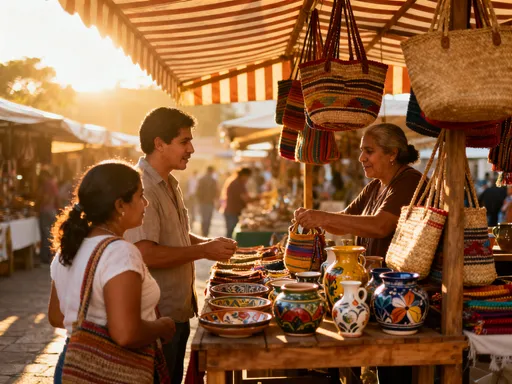
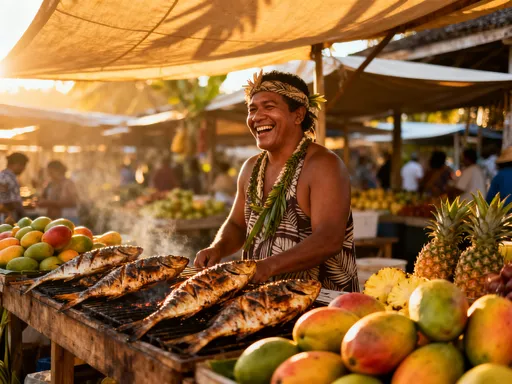
Every Thursday through Sunday, Tamu Kianggeh comes alive as Brunei’s most vibrant open-air market. Located near the city center, it transforms quiet streets into a kaleidoscope of color, scent, and sound. Rows of stalls overflow with fresh tropical fruits—mangosteens, rambutans, and the infamous durian, carefully wrapped to contain its potent aroma. Vegetables, herbs, and spices are arranged in neat pyramids, their vivid greens and reds a feast for the eyes. For photographers, the market is a treasure trove of textures, patterns, and human connection.
The best moments unfold naturally: a vendor slicing open a bright yellow pineapple, children peering into baskets of dried shrimp, or elders bargaining with a knowing smile. These unscripted interactions offer authentic storytelling opportunities. To capture them respectfully, it’s wise to smile first and gesture with your camera—most locals are happy to be photographed if approached with kindness. Early morning is ideal, when the light is soft and the market is at its busiest, with farmers arriving from surrounding villages to sell their harvest.
Beyond produce, Tamu Kianggeh is a haven for handmade goods. Artisans display intricately patterned batik fabrics, hand-carved wooden utensils, and woven mats made from pandanus leaves. One standout is kelapa sawit—a traditional snack made from palm fruit, often sweetened and wrapped in leaf parcels. Its rich, nutty flavor and natural packaging make it a favorite among visitors. These items are not just souvenirs; they represent generations of skill and local knowledge.
Shopping here is more than a transaction—it’s an exchange. Vendors often share stories about their crafts, explaining how batik dyes are made from natural plants or how certain fruits are used in traditional Bruneian dishes. This personal connection deepens the travel experience, turning a simple purchase into a meaningful memory. For families, it’s a chance to bring home gifts that carry cultural weight, from spice blends for cooking to textiles for home décor.
Nature Meets Culture: The Brunei River and Riverboat Rides
A different perspective of Bandar Seri Begawan unfolds on the Brunei River. Riverboat rides, typically conducted in small wooden boats known as *perahu*, offer a peaceful way to explore the city’s natural and cultural landscapes. As the boat glides away from the city center, the skyline gradually gives way to dense mangrove forests, their tangled roots sheltering crabs, mudskippers, and fiddler crabs. The quiet is broken only by bird calls and the gentle lap of water against the hull—a soothing contrast to urban life.
One of the highlights is spotting proboscis monkeys, endemic to Borneo and easily recognized by their large, drooping noses. These playful creatures often appear along the riverbanks, leaping between branches or lounging in the treetops. While sightings aren’t guaranteed, experienced guides know the best stretches of river to visit, especially during early morning or late afternoon. A telephoto lens helps capture these shy animals without disturbing them, preserving both the moment and the wildlife’s well-being.
Along the way, the boat passes smaller stilt villages, where children wave from wooden decks and fishermen mend their nets. Some homes have small gardens suspended above the water, growing herbs and vegetables in recycled containers. These glimpses into daily life offer a deeper understanding of how communities adapt to their environment. Unlike tourist-focused tours, these rides are often led by local guides who grew up along the river, sharing personal anecdotes and historical insights that bring the journey to life.
Many guides also carry small handicrafts—miniature wooden boats, woven keychains, or hand-painted fans—that they sell directly to passengers. Buying these items supports the guides beyond their tour fees and ensures that traditional crafts continue to thrive. Each piece carries a story: the wood might come from reclaimed driftwood, the weave pattern passed down from a grandmother. These are the kinds of souvenirs that spark conversation and keep memories alive long after the trip ends.
Bringing It Home: Why Photos and Products Tell a Deeper Story
In an age of fast travel and digital overload, the true value of a journey lies not in how many places you see, but in how deeply you connect with them. In Bandar Seri Begawan, every photograph taken and every locally made product brought home serves as a bridge to understanding. A picture of the Omar Ali Saifuddien Mosque at dawn isn’t just a beautiful image—it’s a reminder of the peace found in stillness. A handwoven mat from Kampung Ayer isn’t merely décor—it’s a testament to generations of skill and community.
These tangible pieces of travel do more than decorate a home; they preserve cultural appreciation in a world where traditions can fade. When you choose to buy from artisans instead of souvenir shops, you participate in a cycle of respect and sustainability. You affirm that culture is not a performance for tourists, but a living, evolving identity worth honoring. And when you share these stories—with family, friends, or even in quiet reflection—you extend the journey far beyond its original length.
Bandar Seri Begawan invites travelers to explore not just with their eyes, but with intention. It asks you to slow down, to observe, to listen. The city’s beauty is not loud or flashy, but steady and sincere—a reflection of its people and values. By capturing its moments thoughtfully and supporting its communities mindfully, you don’t just visit Brunei. You become part of its story, even after you’ve returned home.
So pack your camera, wear comfortable shoes, and come with an open heart. Let the golden domes guide you, the river carry you, and the warmth of the locals welcome you. Bandar Seri Begawan may be small on the map, but its impact is vast. It’s a place where beauty is found in simplicity, and where every photo and every purchase can carry meaning. Discover it—not as a tourist, but as a thoughtful traveler ready to see the world with fresh eyes.