You Gotta Taste This: Mandalay’s Street Food Secrets in the Heart of Urban Myanmar
Mandalay isn’t just temples and palaces—its soul lives on the streets, where sizzling grills and steaming woks tell the story of a city that eats with passion. I wandered through alleyways buzzing with motorbikes and laughter, following smoke trails to food stalls packed with locals. What I found was more than flavor—it was connection, culture, and chaos in the most delicious way. This is urban Myanmar at its most alive: raw, real, and unforgettable.
The Pulse of Mandalay: Where City Life Meets Food Culture
Mandalay moves to the rhythm of food. From the first light of dawn, the city’s arteries—its narrow lanes, bustling intersections, and shaded sidewalks—come alive with the clatter of metal trays, the crackle of charcoal fires, and the hum of early risers beginning their day with a steaming bowl of breakfast. Street vendors, many of whom have occupied the same corner for decades, roll out their carts with practiced ease. Their setups are simple: a portable stove, a stack of bowls, a cloth-covered tray of ingredients, and a small stool. Yet within these modest arrangements lies the backbone of daily nourishment for thousands.
Food in Mandalay is not merely about sustenance; it is woven into the fabric of urban life. Families gather around low plastic tables under makeshift awnings, sharing plates of noodles or fried snacks while children weave through the legs of adults on their way home from school. Office workers pause between meetings to sip hot tea from roadside stalls, and motorbike taxi drivers refuel with quick bites between fares. These moments are not incidental—they are the heartbeat of the city. Meals serve as pauses, transitions, and social anchors in a day filled with movement and labor.
The informal food economy thrives because it meets real needs. In a city where formal dining options are limited and often expensive, street food offers accessibility and affordability. A full meal can cost less than a dollar, making it the go-to choice for students, laborers, and even mid-level professionals. What’s more, the trust between vendor and customer is palpable. Regulars are greeted by name, their orders anticipated before they speak. This quiet intimacy turns every transaction into a small act of community.
From Mandalay Hill to the Markets: Mapping the Flavors of the City
To understand Mandalay’s culinary landscape is to trace its geography. Each neighborhood carries its own flavor signature, shaped by history, migration, and local preference. Start at Mandalay Hill, where pilgrims and early-morning walkers descend after paying respects at the summit. Along the base of the hill, vendors offer warm snacks—steamed buns filled with sweet bean paste, fried samosas with flaky crusts, and cups of thick, milky tea. These are foods designed for comfort, meant to sustain the body after a climb or a prayer.
Move into the heart of the city, and Zegyo Market emerges as a sensory epicenter. One of the largest in Upper Myanmar, it spans blocks of covered alleys teeming with vendors selling everything from fresh produce to handwoven textiles. But for food lovers, it’s the aroma that leads the way—the tang of fermented fish sauce, the earthy scent of turmeric and dried chilies, the sweetness of ripe mangoes piled high in wooden crates. Here, you’ll find mohinga, Myanmar’s national dish: a fragrant fish broth simmered with lemongrass, banana stem, and rice noodles, topped with crispy fried onions and a squeeze of lime. Served in a banana leaf-lined bowl, it’s a breakfast staple that warms the soul.
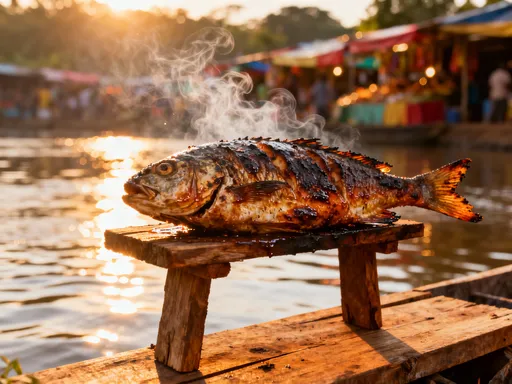
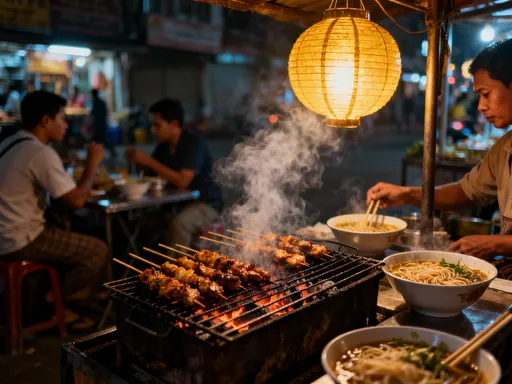
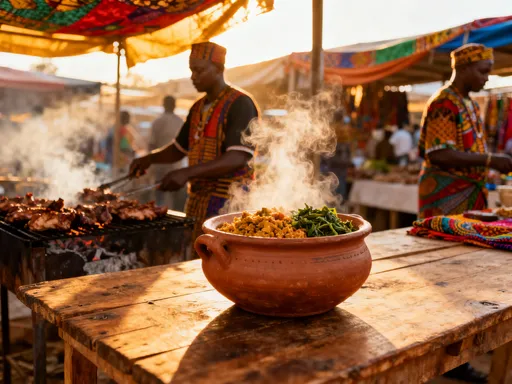
Just beyond the market, near the ancient moat that surrounds the royal palace, roadside stalls serve up grilled skewers of chicken, pork, and offal, basted with a sticky soy-garlic glaze. These are eaten with bare hands, accompanied by cold bottles of Myanmar Beer or sweet lime soda. Another favorite is Shan noodles, a legacy of the Shan ethnic group from eastern Myanmar. These flat rice noodles come in a tangy tomato-based broth or dry with a savory peanut sauce, garnished with pickled mustard greens and fresh herbs. The dish reflects Mandalay’s position as a cultural crossroads, where regional flavors converge and evolve.
Street Food as Urban Survival: How Locals Eat in a Fast-Paced City
In a city where commutes can stretch over an hour and workdays begin before sunrise, efficiency is key. Street food isn’t a novelty—it’s a necessity. For many residents, the rhythm of the day is dictated by meal times and the availability of quick, reliable food. A typical morning might start with a stop at a tea shop, where men and women of all ages gather around shared tables, sipping strong black tea with condensed milk and nibbling on paratha, a flaky flatbread fried until golden and served with spicy lentil dip.
By midday, the sidewalks near government offices and commercial zones fill with workers seeking affordable lunches. Vendors specialize in speed: one might offer pre-packed portions of rice with curried vegetables, another flips grilled meat skewers over open flames. Some use bicycles modified with sidecar trays, allowing them to navigate traffic and reach office complexes directly. These mobile vendors are lifelines for those without time to return home or sit in a restaurant.
Hygiene is a concern often raised by visitors, but the reality on the ground is more nuanced. While conditions vary, many vendors take care to maintain cleanliness. Reputable stalls use covered containers to protect food from dust and insects, boil water for tea, and serve with disposable bamboo or palm-leaf utensils. Regular customers act as an informal quality control—stalls with poor hygiene lose business quickly. Trust is built over time, and locals know which vendors have a reputation for fresh ingredients and consistent quality. For the observant traveler, following the crowd is often the best guide.
Hidden Corners, Big Flavors: Off-the-Beaten-Path Eateries in Residential Zones
Beyond the main roads and tourist-adjacent areas, Mandalay’s residential neighborhoods reveal a quieter, more intimate side of its food culture. Here, family-run stalls operate on a smaller scale, often serving just one or two specialties passed down through generations. These are not places you’ll find on a guidebook map, but they are where the city’s culinary soul truly resides.
In a quiet lane near the Yadanabon neighborhood, an elderly woman sets up a small table every morning at 5:30 a.m., selling tofu salad—a Burmese favorite made from chickpea flour, cut into cubes, and tossed with lime juice, chili oil, roasted chickpea powder, and fresh cilantro. The dish is cool, tangy, and slightly nutty, perfect for starting the day in Mandalay’s tropical heat. She doesn’t advertise; her customers know when and where to find her, some arriving on foot, others on motorbikes with thermoses in hand to take portions home.
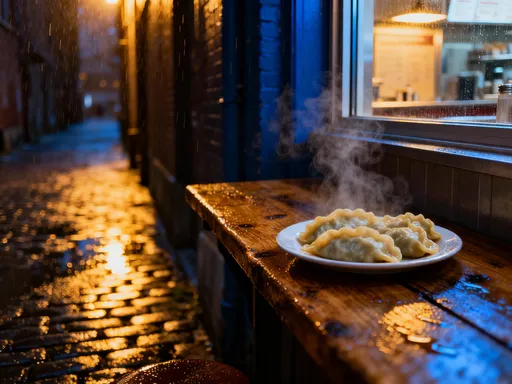
Later in the evening, in the Aung Pin Lae quarter, a lone noodle cart appears under a streetlamp, serving mohinga late into the night. This is food for night-shift workers, taxi drivers, and insomniacs. The vendor stirs the broth slowly, adjusting the seasoning with care, knowing that for some, this bowl may be the only warm meal of their day. On weekends, certain streets host temporary markets where specialty vendors appear—dumplings filled with minced pork and cabbage, steamed in bamboo baskets, or sweet coconut pancakes cooked on griddles over charcoal.
These hidden spots are more than eateries—they are community hubs. Neighbors stop by not just to eat, but to chat, exchange news, and share moments of rest. The food is a pretext for connection, a way to maintain ties in an increasingly fast-moving urban environment. For visitors willing to venture beyond the center, these experiences offer a rare glimpse into the daily rhythms of Mandalay life.
The Sights, Sounds, and Smells of Mandalay’s Food Streets
To walk through Mandalay’s food districts is to engage all five senses. The city’s culinary energy is not confined to taste—it unfolds as a full sensory performance. In the early morning, the air carries the smoky sweetness of grilling meat, mingling with the sharp tang of fish sauce and the floral hint of jasmine tea. By midday, the scent of fried garlic and cumin rises from woks tossed over high flames. At night, the aroma of charcoal and chili oil drifts through the alleys, drawing people like moths to a flame.
The soundscape is just as vivid. There’s the rhythmic chop of knives on wooden boards, the sizzle of oil as dumplings hit the pan, the clink of metal spoons against ceramic bowls. Vendors call out their specialties—“Mohinga! Hot mohinga!”—while motorbikes weave through crowds, horns blaring. Conversations buzz in Burmese, a mix of laughter, bargaining, and casual gossip. Even the silence has texture: the quiet hum of a fan spinning above a tea shop, the soft rustle of banana leaves wrapping a takeaway order.
Visually, the scene is a mosaic of color and motion. Lanterns glow above night markets, casting warm light on trays of golden samosas and ruby-red curries. Vendors wear traditional longyis—wraparound garments in bold plaids or deep indigo—as they work, their hands moving with precision. Plastic stools crowd sidewalks, and tables are wiped down with damp cloths between customers, a small ritual of renewal. The chaos is not disorder—it is organized vitality, a system that functions through routine, trust, and mutual respect.
This environment enhances the food itself. A bowl of noodles eaten on a crowded street feels more satisfying than the same dish in a sterile restaurant. The noise, the heat, the proximity to others—it all adds flavor. In Mandalay, dining is not a passive act; it is participation in the life of the city.
Balancing Tradition and Change: How Modernization Affects Mandalay’s Food Scene
Like many growing cities, Mandalay faces the pressures of modernization. Urban development projects, rising land values, and new regulations are reshaping the landscape where street food has long thrived. In some areas, vendors have been relocated or restricted, pushed to the margins to make way for wider roads, shopping centers, or tourist zones. These changes disrupt routines and sever connections between vendors and their regular customers.
Yet, adaptation is part of Mandalay’s food culture. Some vendors have responded by investing in more mobile setups—lightweight carts with wheels, or even motorbike-mounted kitchens that allow them to move quickly and avoid enforcement. Others have embraced new tools: a few now accept digital payments, and a handful use social media to announce their locations or daily specials. While not widespread, these shifts show a quiet innovation, a way of preserving tradition through flexibility.
Younger generations are also redefining what street food means. Some are opening hybrid spaces—small shops that blend the informality of a stall with the consistency of a café. They serve traditional dishes but with attention to presentation, cleanliness, and branding. Others experiment with fusion, adding modern twists to classic recipes: mohinga with coconut milk, or Shan noodles with avocado slices. These changes spark debate—some purists worry about authenticity, while others see evolution as survival.
What remains constant is the value placed on flavor and community. Whether served from a decades-old cart or a newly painted food truck, the food must taste right. Recipes are guarded like family heirlooms, and a vendor’s reputation depends on consistency. In this way, even as the city changes, the core of Mandalay’s food culture endures—rooted in memory, shaped by need, and sustained by pride.
How to Experience Mandalay’s Food Culture Like a Local: Practical Tips for Visitors
For travelers, engaging with Mandalay’s street food is one of the most rewarding ways to connect with the city. But to do it well requires patience, respect, and a willingness to slow down. The goal is not to check off a list of dishes, but to immerse yourself in the rhythm of daily life. Start by observing. Watch where locals line up, notice which stalls are busiest at different times of day, and follow the smoke and scent trails. A crowded stall is usually a good sign—locals know where the food is fresh and safe.
Timing matters. Many of the best experiences happen early in the morning or late at night, when the city’s working population is on the move. Arrive at a popular tea shop by 7 a.m., and you’ll see families, monks, and students all sharing space over steaming cups and flaky bread. Visit a night market after 8 p.m., and you’ll find a different energy—one of relaxation and community after a long day.
When it comes to safety, use common sense. Choose stalls where food is cooked to order and served hot. Avoid anything sitting out in the open for long periods, especially in high heat. Drink bottled water or sealed beverages, and carry hand sanitizer for after eating. Many vendors use disposable utensils, but if you’re unsure, carrying a small pack of wipes can help.
Language can be a bridge. Learning a few basic Burmese phrases—“Min-ga-la-bar” (hello), “Kya zu tin ba deh” (thank you), “Ei thar be lar?” (Is it spicy?)—goes a long way. A smile and a polite tone open doors. Don’t be afraid to point or gesture if words fail. Most vendors are used to tourists and will do their best to communicate.
Finally, eat with intention. Sit down, take your time, and engage. Ask questions if the vendor seems open. Notice how people eat—often with the right hand, tearing bread or picking up noodles with fingers. Respect local customs, such as removing shoes before entering certain tea shops or avoiding public displays of strong emotion. These small acts of mindfulness show appreciation and deepen the experience.
Conclusion
Mandalay’s street food is more than a collection of dishes—it is a living expression of the city’s spirit. Every bite carries the weight of tradition, the urgency of modern life, and the warmth of human connection. From the early-morning tofu salad vendor to the late-night noodle cart under the streetlamp, these moments of shared sustenance reveal what it means to live in this vibrant urban center.
Travelers who come seeking only temples and monuments will miss the true heart of Mandalay. The city’s identity is not confined to stone and gold leaf—it pulses in the smoke of grills, the laughter around shared tables, and the quiet dignity of those who feed their neighbors day after day. To know Mandalay is to walk its streets, follow the scent of chili and broth, and sit down to eat where the people do. In doing so, you don’t just taste the food—you become part of the story.