What I Learned the Hard Way About Rehab Workouts
Rehabilitation training can be a game-changer for long-term health, but not all moves lead to progress—some even cause harm. I’ve been there: pushing too hard, trusting bad advice, and slowing my recovery without realizing why. What seemed like smart effort was actually a trap. In this article, I’ll walk you through the most common rehab pitfalls, why they backfire, and how simple mindset and movement tweaks can turn setbacks into steady gains—safely and effectively.
The Misguided Belief That More Pain Means More Progress
One of the most deeply rooted misconceptions in rehabilitation is the idea that discomfort equals progress. Many people carry the “no pain, no gain” mindset from general fitness into their recovery routines, believing that if they aren’t sore or struggling, they aren’t doing enough. This belief, while common, is dangerously misplaced in the context of healing. Unlike building muscle or endurance, rehab focuses on restoring function and allowing damaged tissues to repair properly. When pain is ignored or even welcomed as a sign of effort, it can signal that the body is being re-injured rather than healed.
Scientifically, soft tissues such as tendons, ligaments, and muscles heal through a predictable biological process: inflammation, repair, and remodeling. Each stage requires time and appropriate stimulus. Excessive pain during rehab exercises often indicates that inflammation is being aggravated or that the tissue is under too much mechanical stress. This not only delays healing but can lead to chronic issues. For instance, pushing through sharp pain during shoulder rehab might worsen a rotator cuff strain, turning a minor injury into a long-term limitation.
The key is learning to differentiate between sensation and pain. A gentle stretch or mild fatigue during an exercise is normal and often beneficial. However, sharp, shooting, or joint-centered pain is a warning signal. These sensations should never be ignored. Physical therapists often use pain scales to guide patients, recommending that discomfort stay below a 3 out of 10 during and after exercises. Staying within this threshold allows the body to adapt without setting back recovery.
To avoid falling into this trap, individuals should prioritize feedback from their body over external expectations. Journaling symptoms before and after each session can help track patterns. If pain increases the next day or lingers beyond a few hours, the exercise intensity or form likely needs adjustment. Reframing progress as consistency and comfort—not intensity—lays the foundation for lasting recovery.
Skipping Professional Guidance for DIY Solutions
In today’s digital age, it’s easy to find rehab exercises with a quick online search. Videos, blog posts, and social media influencers offer seemingly helpful routines for everything from knee pain to back injuries. While access to information is valuable, self-prescribing rehab without professional input is a common and risky shortcut. Many people turn to DIY solutions due to cost concerns, long wait times for appointments, or the belief that their injury is minor and doesn’t require expert care. However, what feels like a practical choice can easily become a costly mistake.
Every body is different, and so is every injury. A rehab exercise that helps one person may worsen another’s condition, even if the symptoms seem similar. For example, two individuals with low back pain might have entirely different underlying causes—one due to a disc issue, the other from muscle weakness. Performing the same set of core exercises could relieve one person’s pain while aggravating the other’s spinal compression. Without a proper assessment, it’s impossible to know which approach is safe.
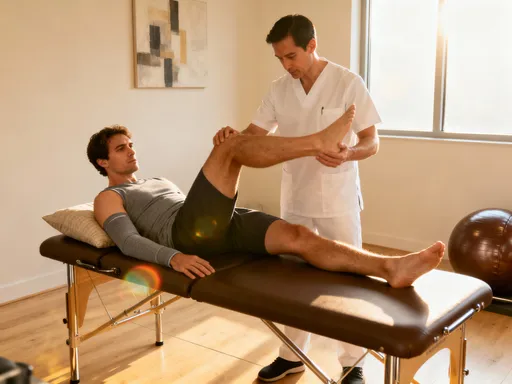
Physical therapists are trained to conduct detailed evaluations, identifying not only the injured area but also movement dysfunctions, muscle imbalances, and joint restrictions. They design personalized programs that match the stage of healing and the individual’s functional goals. A case in point is a woman in her early 40s who began doing glute bridges for hip pain she assumed was from weak glutes. After weeks of daily repetitions, her discomfort worsened. A physical therapist later discovered her pain stemmed from sacroiliac joint instability, and the bridging exercises were increasing joint stress. By switching to stabilizing core exercises and reducing load, her symptoms improved within weeks.
The importance of professional guidance cannot be overstated. Even minor adjustments—such as changing foot position, range of motion, or repetition speed—can make the difference between healing and harm. Seeking care from a licensed physical therapist ensures that the rehab plan is based on accurate diagnosis, not guesswork. While online resources can supplement professional advice, they should never replace it, especially during the critical early phases of recovery.
Overlooking Movement Quality for Repetition Count
In rehabilitation, how an exercise is performed matters far more than how many times it’s repeated. Yet, many people focus on hitting a target number of reps, sacrificing form in the process. This shift from quality to quantity undermines the very purpose of rehab, which is to retrain the body to move correctly and efficiently. When form breaks down, the wrong muscles compensate, joints experience abnormal stress, and the risk of re-injury increases. Over time, poor execution can create new imbalances, prolonging recovery rather than accelerating it.
Common rehab exercises like clamshells for hip strength, leg lifts for core stability, or shoulder rolls for posture are often performed with subtle errors that reduce effectiveness. For instance, during clamshells, a person might lift the leg too high, causing the pelvis to tilt and the lower back to arch. This shifts the work from the gluteus medius—the intended muscle—to the hip flexors and lower back, missing the target and potentially straining other areas. Similarly, leg lifts done too quickly can engage momentum instead of muscle control, turning a stabilizing exercise into a passive swing.
Muscle imbalances develop when dominant muscles take over for weaker ones, a phenomenon known as compensation. Over time, this alters movement patterns and can lead to overuse injuries. For example, if the shoulder muscles compensate during scapular stabilization exercises, the rotator cuff remains undertrained, leaving it vulnerable during daily activities. These imbalances are often invisible without feedback, making them easy to overlook but difficult to correct later.
To ensure movement quality, individuals can use simple tools. Positioning a mirror to observe form, recording a short video of the exercise, or performing movements in front of a window can provide visual feedback. Slowing down the tempo—using a four-second count for both lifting and lowering—increases muscle engagement and reduces reliance on momentum. Additionally, focusing on the mind-muscle connection, such as consciously activating the glute during a bridge, enhances neuromuscular control. These small adjustments transform rehab from a mechanical task into a mindful practice that supports true healing.
Expecting Fast Results and Giving Up Too Soon
Recovery is rarely linear, and progress is often subtle—especially in the early stages. Yet, many people expect quick fixes, hoping to return to full function within days or weeks. When improvements don’t appear on this imagined timeline, frustration sets in, motivation drops, and some abandon their rehab routines altogether. This cycle of high expectations followed by discouragement is one of the most common reasons rehab efforts fail. The reality is that tissue healing operates on biological timelines that cannot be rushed, no matter how diligently exercises are performed.
Soft tissue injuries, such as muscle strains, tendonitis, or ligament sprains, typically progress through phases that last weeks to months. The initial inflammatory phase may last 3–7 days, followed by the repair phase, which can extend 2–6 weeks. The final remodeling phase, where collagen fibers realign and strengthen, often takes 6 weeks to several months. During this time, gains are often imperceptible: a slightly smoother movement, less stiffness in the morning, or the ability to stand longer without discomfort. These small changes are meaningful, but they’re easily overlooked when the focus is on dramatic milestones like running or lifting weights again.
Patience is not passive—it’s an active component of recovery. Neuromuscular re-education, the process of retraining the brain and body to move correctly, requires repetition over time. Just as learning a new skill like playing an instrument takes consistent practice, so does retraining movement patterns after injury. Rushing ahead or skipping steps can lead to setbacks, while steady, gradual progression builds lasting resilience.
To stay motivated, it helps to track progress in ways beyond pain levels. Measuring range of motion with a simple wall test for shoulder mobility, noting improvements in balance, or recording daily activities that were once difficult—like bending to tie shoes or carrying groceries—can reveal meaningful gains. Setting small, achievable goals, such as completing all prescribed exercises for a week or maintaining proper posture for 30 minutes at a time, fosters a sense of accomplishment. Recognizing that healing is a marathon, not a sprint, allows individuals to stay the course with confidence and compassion for their bodies.
Neglecting the Role of Rest and Recovery in Healing
Rest is often misunderstood as a sign of weakness or laziness, especially in cultures that value constant productivity. In rehab, however, rest is not the opposite of effort—it’s a critical part of the healing process. Cells repair, inflammation reduces, and tissues strengthen primarily during periods of rest, not during exercise. Without adequate recovery time, the body remains in a state of stress, unable to complete the repair phase of healing. This can lead to persistent soreness, increased stiffness, and even regression in function.
At the cellular level, muscle and connective tissue repair occurs during rest. After exercise, microscopic damage triggers an inflammatory response that brings nutrients and immune cells to the area. Over the next 24–72 hours, new tissue is built, and collagen fibers reorganize. If another session is performed before this process is complete, the tissue is broken down again, delaying overall recovery. This is why overtraining in rehab—doing exercises too frequently or too intensely—can be counterproductive, even if the movements themselves are correct.
Signs of insufficient rest include increased pain the day after exercise, prolonged muscle tightness, difficulty sleeping, or general fatigue. These are not badges of hard work but signals that the body needs more recovery. For example, a woman rehabbing a knee injury who performs her exercises twice daily may notice her swelling increases over time. By switching to once-daily sessions with a full day of rest between, her symptoms begin to improve. This simple adjustment allows her body the time it needs to adapt.
A balanced rehab routine includes both structured activity and intentional recovery. This means scheduling rest days, using gentle modalities like ice or heat when appropriate, and prioritizing sleep and hydration. Active recovery—such as light walking or stretching—can also support circulation without overloading healing tissues. Viewing rest as a strategic component of rehab, rather than a break from it, empowers individuals to support their bodies holistically and sustainably.
Failing to Address Underlying Postural or Lifestyle Habits
Rehab exercises alone are not enough if daily habits continue to strain the body. Many people diligently perform their prescribed routines only to wonder why their pain keeps returning. The answer often lies outside the therapy session—in the way they sit, stand, sleep, and move throughout the day. Poor posture, prolonged sitting, and repetitive movements can silently undermine rehab progress, creating a cycle of temporary relief followed by recurring symptoms.
For example, someone rehabbing neck pain may strengthen their deep neck flexors with precision exercises, but if they spend hours each day looking down at a phone or computer, those gains are quickly erased. The forward head posture places excessive strain on the cervical spine, requiring the muscles to work harder just to hold the head upright. Over time, this negates the benefits of targeted strengthening. Similarly, sitting with a rounded back while working can counteract core stabilization exercises meant to support the lower back.
Chronic strain from poor ergonomics contributes to recurring injuries. The body adapts to repeated positions, and these adaptations become the new normal—even if they are dysfunctional. A shoulder that’s been held in a slumped position for years will not correct itself overnight, no matter how many scapular retractions are performed. Lasting change requires addressing both the exercise program and the environment in which the body lives.
Simple ergonomic fixes can make a significant difference. Adjusting the computer screen to eye level, using a supportive chair, taking movement breaks every 30 minutes, and holding the phone at chest height reduce strain on the spine and joints. Incorporating small habits—like standing while talking on the phone or doing gentle shoulder rolls during commercial breaks—keeps the body moving and prevents stiffness. These changes, when combined with rehab exercises, create a supportive ecosystem for healing and long-term resilience.
The Power of Small, Consistent Actions in Real Recovery
True recovery is not about dramatic transformations or extreme efforts—it’s built on small, consistent actions repeated over time. While it’s tempting to seek quick fixes or intense workouts that promise fast results, sustainable healing comes from daily discipline and mindful choices. The most effective rehab programs are not the hardest ones, but the ones that can be maintained without burnout or injury. Progress may be slow, but it is steady, and each small step accumulates into meaningful change.
Real-life benefits of consistent rehab include improved mobility, reduced frequency of flare-ups, better sleep, and greater confidence in daily activities. A woman recovering from a hip injury may no longer think twice about walking up stairs, gardening, or playing with her grandchildren. These moments, once limited by pain, become possible again—not because of a single breakthrough, but because of months of faithful, moderate effort. The quality of life improvements are often more profound than the physical changes alone.
Embracing progress over perfection allows individuals to stay engaged without self-criticism. Missing a day, feeling sore, or moving slowly are not failures—they are part of the process. What matters is returning to the routine with patience and self-compassion. Celebrating small victories, like completing a full week of exercises or noticing less stiffness in the morning, reinforces motivation and builds confidence.
The final takeaway is this: lasting health improvement comes from smart, steady effort—not shortcuts or extremes. By avoiding common rehab mistakes, seeking professional guidance, prioritizing form and rest, and addressing daily habits, individuals take control of their recovery in a way that honors their body’s needs. Healing is not a race, but a journey of listening, learning, and moving forward—one mindful step at a time.