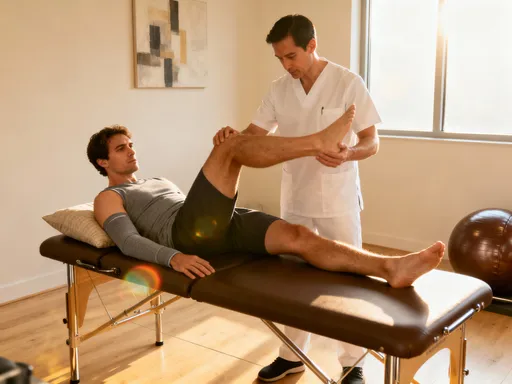
How I Boosted My Flexibility as a Beginner—And What I Ate to Make It Work
Flexibility isn’t just for yogis or dancers—it’s a game-changer for everyday movement. I started with stiff hamstrings and zero routine, but within weeks, I noticed real changes. Turns out, what I ate played a bigger role than I thought. This isn’t about extreme diets or quick fixes. It’s about simple, science-backed tweaks that support your body’s ability to move freely. If you’ve ever felt stuck—literally—this journey might surprise you.
The Flexibility Myth: Why Most Beginners Get It Wrong
Many believe flexibility is an inborn trait, something you either have or don’t. This misconception discourages countless people from even trying. The truth is, flexibility is a trainable quality, much like strength or endurance. It’s not about mimicking a gymnast’s splits or touching your palms flat to the floor—it’s about improving your range of motion in a way that supports daily life. Simple actions like bending to tie shoelaces, reaching for a high shelf, or turning to check a blind spot while driving become easier when your body moves fluidly.
Flexibility is influenced by more than just muscle length. Joint structure, ligament tightness, nervous system response, and the health of connective tissues like tendons and fascia all play essential roles. For instance, someone may have long, supple muscles but still struggle with mobility due to restricted joint movement. Conversely, another person might have stiff muscles but mobile joints, allowing for functional movement. Understanding this complexity helps shift the focus from performance-based goals to holistic body awareness.
Another common mistake is relying solely on static stretching—holding a stretch for 30 seconds or more—without addressing other components of mobility. While static stretching has benefits, especially post-exercise, it’s most effective when paired with dynamic movements, strength training, and proper recovery. The nervous system also plays a key role: if it senses instability, it may limit movement as a protective mechanism. That’s why building strength through a full range of motion is just as important as stretching.
Beginners often expect rapid progress, but flexibility develops gradually. The body adapts best to consistent, moderate stimulation. Pushing too hard can trigger protective muscle tightening or even injury. Instead, a mindful approach—listening to the body, respecting its signals, and maintaining regular practice—leads to sustainable improvement. Flexibility isn’t a destination; it’s a continuous process of maintenance and adaptation.
My Starting Point: From Stiff to Slightly Less Stiff
When I began, I couldn’t touch my toes. Not even close. Standing straight and bending forward, my fingertips hovered six inches above my feet. My hamstrings felt like tightly wound cables, and my hips were so stiff that sitting cross-legged on the floor was out of the question. Even after a short walk, I’d feel a dull ache in my lower back. The irony wasn’t lost on me: I spent hours each day sitting at a desk, yet expected my body to move freely when I finally stood up.
My first attempts at stretching were frustrating. I’d follow online videos, hold poses for what felt like an eternity, and leave feeling no different—sometimes even more tense. I assumed I was doing something wrong, or worse, that my body simply wasn’t built for flexibility. The emotional toll was real. It’s easy to feel defeated when progress isn’t visible. I compared myself to others, wondering how they could fold themselves in half with ease while I struggled with basic movements.
But over time, I began to notice subtle shifts. One morning, I reached down and my palms brushed my shins. It didn’t seem like much, but it was different. Then, during a gentle stretch, I felt a soft release in my calf—a sensation I hadn’t experienced before. These small moments became milestones. I learned to celebrate them, not dismiss them. Progress in flexibility isn’t always dramatic. It’s often quiet, internal, and deeply personal.
What helped most was shifting my mindset. Instead of focusing on how far I could go, I focused on how I felt. Was my breath steady? Was I tensing my shoulders? Could I relax a little more into the stretch? This awareness made the practice more sustainable. I stopped measuring success by inches and started noticing improvements in how I moved throughout the day—less stiffness when getting out of bed, more ease when climbing stairs, a greater sense of lightness in my body.
The Hidden Link: How Food Affects Your Flexibility
For years, I thought flexibility was purely a physical pursuit—something achieved through stretching, yoga, or Pilates. I didn’t consider that what I ate could influence my ability to bend, reach, or move freely. But science shows a strong connection between diet and musculoskeletal health. Inflammation, hydration, and nutrient availability all impact how muscles and joints function. In fact, chronic low-grade inflammation can make tissues stiffer, reduce joint lubrication, and slow recovery—making every stretch feel harder than it should.
Think of your muscles and connective tissues like sponges. When well-hydrated and nourished, they’re pliable and resilient. When dehydrated or deprived of key nutrients, they become dry, brittle, and less responsive. Collagen, the primary protein in tendons and ligaments, requires specific nutrients to stay strong and elastic. Antioxidants help neutralize free radicals that contribute to tissue breakdown. Omega-3 fatty acids support joint fluidity and reduce inflammation. Without these, even the most dedicated stretching routine may fall short.
Hydration is especially critical. Water makes up about 75% of muscle tissue and 80% of cartilage. When you’re even mildly dehydrated, your muscles lose elasticity, and your joints experience more friction. This doesn’t just affect athletic performance—it impacts everyday flexibility. A study published in the Journal of the International Society of Sports Nutrition found that proper hydration improves joint range of motion and reduces muscle soreness after exercise. Simply drinking enough water can make stretching feel more effective.
Diet also influences systemic inflammation, which directly affects mobility. Processed foods, refined sugars, and trans fats can trigger inflammatory responses in the body. Over time, this creates a less favorable environment for tissue repair and flexibility gains. On the other hand, whole, nutrient-dense foods support the body’s natural repair processes. The link between food and flexibility isn’t about dramatic dietary overhauls—it’s about making consistent, supportive choices that enhance your body’s ability to move.
Dietary Shifts That Made a Difference (Without Restricting Everything)
I didn’t want to overhaul my life. I didn’t want to eliminate entire food groups or spend hours preparing complicated meals. My goal was sustainability—small changes that could fit into a busy schedule. The first shift was reducing processed sugars. I noticed that on days I ate a lot of sweets or sugary snacks, my body felt heavier, and stretching was more difficult. Research supports this: high sugar intake is linked to increased inflammation and glycation, a process where sugar molecules attach to proteins like collagen, making them stiffer and less functional.
Instead of cutting sugar completely, I focused on gradual reduction. I swapped soda for sparkling water with lemon, replaced store-bought pastries with homemade oat-based muffins sweetened with a touch of honey, and chose fresh fruit over candy. These weren’t perfect changes, but they added up. Over time, I craved less sugar, and my energy levels became more stable—another benefit that supported my flexibility practice.
I also increased my intake of anti-inflammatory foods. Leafy greens like spinach and kale became staples in my meals. I added fatty fish—such as salmon and mackerel—to my diet twice a week for their omega-3 content. Nuts, especially walnuts and almonds, became my go-to snacks. Berries, rich in antioxidants, were added to breakfast smoothies or eaten as dessert. These foods didn’t promise instant results, but after a few weeks, I noticed a difference: less stiffness in the mornings, quicker recovery after stretching, and a general sense of physical ease.
Protein intake was another focus. Muscles need amino acids to repair and maintain elasticity. I made sure to include a source of high-quality protein in every meal—eggs at breakfast, lentils or chicken at lunch, Greek yogurt or cottage cheese as a snack. Collagen supplements, which contain amino acids like glycine and proline, were another addition. While not essential, some studies suggest they may support joint and connective tissue health, especially when combined with movement.
The key was balance. I didn’t label any food as “bad.” I still enjoyed occasional treats, but they became just that—occasional. This approach prevented feelings of deprivation and made long-term change possible. Flexibility isn’t just about the body; it’s about mindset. A flexible diet—one that allows for both nourishment and enjoyment—supports a flexible body.
Hydration and Timing: The Overlooked Flexibility Boosters
Water is the most overlooked yet essential element in any flexibility journey. It’s not glamorous, but it’s foundational. Every cell in the body relies on water to function, and connective tissues are no exception. Synovial fluid, which lubricates joints, is mostly water. The intervertebral discs in the spine, which act as shock absorbers, lose height and resilience when dehydrated. Even the fascia—the web-like tissue that surrounds muscles—becomes less pliable without adequate hydration.
I used to drink water only when I was thirsty, which meant I was often playing catch-up. Now, I aim for consistent intake throughout the day. I keep a reusable bottle nearby and refill it regularly. I also pay attention to the color of my urine—a pale straw color indicates proper hydration. This simple habit made a noticeable difference. Stretching sessions felt smoother, and I experienced less muscle tightness overall.
Meal timing also plays a subtle but important role. I learned the hard way that stretching right after a large meal is uncomfortable. Digestion requires blood flow to the stomach, and vigorous movement can interfere with that process. On the other hand, trying to stretch on an empty stomach, especially in the morning, left me feeling weak and unsteady. The sweet spot? Waiting 1–2 hours after eating a full meal before doing any serious stretching. For lighter snacks, 30–60 minutes is usually enough.
Pre-stretch nutrition matters too. A small, balanced snack—like a banana with almond butter or a handful of nuts with a piece of fruit—can provide enough energy without weighing me down. This approach supports muscle function and prevents fatigue during movement. Hydration and timing aren’t flashy strategies, but they’re powerful enablers. When the body is properly fueled and hydrated, it responds better to stretching and recovers faster afterward.
Putting It All Together: A Realistic Routine for Newcomers
For someone starting out, the idea of building a flexibility routine can feel overwhelming. How long should you stretch? When should you do it? What about diet? The good news is, you don’t need hours a day or a perfect plan. Consistency matters more than intensity. Here’s a realistic weekly routine that combines movement and nutrition in a manageable way.
Three times a week, I do a 20-minute session of gentle stretching. I start with a 5-minute dynamic warm-up—arm circles, ankle rolls, and slow torso twists—to increase blood flow. Then, I move into static stretches: seated forward fold for hamstrings, butterfly stretch for hips, and cat-cow for the spine. Each stretch is held for 30 seconds, with a focus on steady breathing. On two other days, I do a 10-minute mobility routine—foam rolling tight areas and doing gentle joint movements. The remaining two days are rest days, allowing my body to recover.
Diet is woven into this routine naturally. Breakfast often includes a smoothie with spinach, banana, chia seeds, and a scoop of protein powder—nutrient-dense and easy to digest. Lunch features a salad with leafy greens, grilled chicken, avocado, and olive oil dressing. Snacks are simple: apple with peanut butter, Greek yogurt with berries, or a small handful of mixed nuts. Dinner is balanced—lean protein, vegetables, and a complex carbohydrate like sweet potato or quinoa. I drink water consistently and avoid heavy meals within two hours of stretching.
The routine isn’t rigid. Some days, I only have 10 minutes. Some days, I skip stretching altogether. But I aim for consistency, not perfection. The combination of gentle movement and supportive eating creates a positive feedback loop: the better I eat, the better I feel when I stretch; the more I stretch, the more motivated I am to eat well. It’s a cycle that builds momentum over time.
Progress, Not Perfection: What Changed After 8 Weeks
After eight weeks of consistent effort, the changes were real—but not dramatic in the way I once imagined. I still can’t do the splits, and I don’t fold myself in half like a contortionist. But I can touch my toes with straight legs. I can sit comfortably on the floor without propping myself up. I get out of bed with less stiffness and move through my day with greater ease. My posture has improved, and I’m more aware of how I hold my body.
The emotional shift has been just as significant. I no longer feel defeated by my limitations. Instead, I feel empowered by my progress. Flexibility has become less about achieving a certain look and more about feeling good in my body. I’ve learned to appreciate small wins—the way my shoulder rolls more freely, the deeper breath I can take in a gentle stretch, the way my clothes fit a little differently.
What surprised me most was how interconnected everything felt. The food I ate didn’t just affect my energy or weight—it influenced how my body moved. Hydration wasn’t just about avoiding thirst; it was about supporting my joints and muscles. Movement wasn’t just about stretching; it was about building a relationship with my body. These lessons extend beyond flexibility. They’re about self-care, patience, and listening to what your body needs.
Flexibility is not a quick fix. It’s a long-term investment in your physical well-being. It requires both movement and nourishment, consistency and kindness. You don’t have to be young, naturally bendy, or follow a perfect diet to see results. You just have to show up, make small, steady choices, and trust the process. Over time, those choices add up—not to perfection, but to progress. And that, more than any stretch, is what truly changes how you move through life.